Have you ever wondered what it would be like to journey through the entire Bible, from the creation of the world to the prophetic visions of the end times? This comprehensive Bible study guide takes you through every book from Genesis to Revelation, uncovering the rich narratives and divine messages that shape the foundation of the Christian faith.
Bible study guide: Genesis to Revelation (Brief overview)
| Structure | The Bible is divided into two main sections – the Old Testament and the New Testament. The Old Testament comprises historical books, poetry, and prophecy, while the New Testament focuses on the life and teachings of Jesus Christ, along with the early Christian community. |
| History | The Bible spans centuries, capturing the history, culture, and spiritual evolution of various communities. It reflects the diverse human experiences and the unfolding of God’s plan. |
| Significance | The Bible is a sacred text, serving as a source of spiritual guidance, moral principles, and a foundation for Christians. It has influenced millions of believers worldwide. |
Importance of studying the Bible from Genesis to Revelation

Reading the Bible from Genesis to Revelation offers the following benefits:
- Spiritual growth: Studying the entire Bible provides a holistic understanding of God’s nature, His relationship with humanity, and the unfolding of His redemptive plan. It fosters spiritual growth and a deeper connection with faith.
- Historical context: Exploring the Bible from Genesis to Revelation allows you to grasp the historical and cultural context of various books, enhancing comprehension and interpretation.
- Coherence of themes: The Bible presents a unified narrative with recurring themes such as love, redemption, justice, and faith. Studying it in its entirety helps uncover the interconnectedness of these themes throughout the text.
- Insight into God’s character: Each book contributes to a multifaceted portrait of God’s character. From the creation narrative in Genesis to the apocalyptic visions in Revelation, a comprehensive study reveals the consistent nature of God’s love, mercy, and sovereignty.
Purpose of the Genesis to Revelation Bible study guide

The comprehensive Bible study guide covering Genesis to Revelation delves deeper into Scripture to:
- Facilitate understanding: This Bible study guide provides you with tools to comprehend the content, context, and significance of each book. It seeks to break down complex concepts and make the Scriptures accessible to all.
- Encourage reflection: By posing questions, suggesting meditative exercises, and highlighting key verses, the guide encourages you to reflect on the teachings of each book and consider personal application.
- Foster community: The Bible is often studied in a communal context. This guide aims to facilitate group discussions, creating a space for shared insights, diverse perspectives, and mutual encouragement in the journey of faith.
- Encourage practical application: Beyond theoretical knowledge, the guide seeks to help you apply biblical principles to your daily life, fostering a transformative experience that extends beyond the study itself.
Authorship and dating of the Bible

This varies significantly depending on the specific book or text within it. Here’s a brief overview:
Old Testament
The authorship of many Old Testament books is traditionally attributed to figures such as Moses (Genesis, Exodus, Leviticus, Numbers, Deuteronomy), David (Psalms), and Solomon (Proverbs, Ecclesiastes, Song of Solomon).
However, modern scholarship often suggests multiple authors and periods of composition. Dating of the Old Testament books ranges from around 1500 BCE (the probable time of Moses) to around 400 BCE (the time of Malachi, the last prophet).
New Testament

The New Testament’s four Gospels (Matthew, Mark, Luke, and John) are traditionally attributed to their namesakes, who were early followers of Jesus or associated with eyewitnesses. Scholars debate the exact dating, but they generally place them between 50-90 CE.
The authorship of the Pauline Epistles (letters attributed to the Apostle Paul) is generally accepted, though there is debate over some letters’ authenticity. They were likely written between 50-67 CE.
Other New Testament books, such as Acts, Hebrews, James, 1 and 2 Peter, 1, 2, and 3 John, Jude, and Revelation, have varying authorship and dating. Acts, for example, was likely written by the same author as the Gospel of Luke and was composed around 80-90 CE, while Revelation is often dated around 90-95 CE.
Genesis to Revelation Bible study guide: Structure of the Bible

The Bible is divided into two main sections: the Old Testament and the New Testament. Each Testament is further subdivided into books, chapters, and verses. Below is a detailed structure of the entire Bible.
| Section | Book |
|---|---|
| Old Testament (Also known as the Hebrew Bible or Tanakh, the Old Testament consists of several books categorized into different sections based on content and tradition). | |
| The Law (Torah or Pentateuch) | Genesis: Creation, early history of humanity, and the patriarchs (Abraham, Isaac, Jacob). |
| Exodus: The Israelites’ enslavement in Egypt, their liberation, and the receiving of the Law. | |
| Leviticus: Laws regarding worship, sacrifices, and holiness. | |
| Numbers: Census of the tribes of Israel and their wanderings in the desert. | |
| Deuteronomy: Moses’ speeches and laws before entering the Promised Land. | |
| The historical books | Joshua: The Canaan conquest. |
| Judges: The cycle of Israel’s sin, punishment, and deliverance by judges. | |
| Ruth: Story of divine providence and loyalty.. | |
| 1 Samuel: Life of Samuel, Saul’s reign, and the rise of David. | |
| 2 Samuel: Reign of King David. | |
| 1 Kings: Solomon’s reign and the division of the kingdom. | |
| 2 Kings: History of the divided kingdom and the exile. | |
| 1 Chronicles: Genealogies and David’s reign. | |
| 2 Chronicles: Solomon’s reign and the history of Judah. | |
| Ezra: Return from Babylonian exile and rebuilding the Temple. | |
| Nehemiah: Rebuilding Jerusalem’s walls and reforming the people. | |
| Esther: Jewish deliverance from genocide in Persia. | |
| The wisdom books | Job: Suffering and God’s justice. |
| Psalms: Prayers and heartfelt worship. | |
| Proverbs: Wisdom sayings. | |
| Ecclesiastes: Reflections on life’s meaning. | |
| Song of Solomon: Poetic love dialogue. | |
| The Major Prophets | Isaiah: Prophecies of judgment and redemption. |
| Jeremiah: Prophecies and laments over Judah’s sin and exile. | |
| Lamentations: Laments over the fall of Jerusalem. | |
| Ezekiel: Prophecies and visions during the Babylonian exile. | |
| Daniel: Stories and visions from the Babylonian and Persian periods. | |
| The Minor Prophets (The Twelve) | Hosea: God’s love for Israel despite their unfaithfulness. |
| Joel: The coming Day of the Lord. | |
| Amos: Judgment on Israel and neighboring nations. | |
| Obadiah: Judgment on Edom. | |
| Jonah: God’s unwavering mercy to Nineveh. | |
| Micah: Judgment and restoration. | |
| Nahum: God’s judgment on Nineveh. | |
| Habakkuk: Questioning God’s justice. | |
| Zephaniah: The Day of the Lord. | |
| Haggai: Rebuilding of the Temple. | |
| Zechariah: Visions and prophecies of God’s restoration. | |
| Malachi: Call to faithfulness and promise of a coming messenger. | |
| New Testament (Focuses on the life and teachings of Jesus Christ and the early Christian church). | |
| The Gospels | Matthew: Jesus as the promised Messiah. |
| Mark: Jesus’ ministry and passion. | |
| Luke: The parables and life of Jesus. | |
| John: Theological insights into Jesus’ life and mission. | |
| History | Acts: The early church’s history and the spread of the gospel. |
| Pauline Epistles | Romans: Theology of salvation by faith. |
| 1 Corinthians: Addressing church issues and unity. | |
| 2 Corinthians: Paul’s defense of his calling. | |
| Galatians: Justification by faith alone. | |
| Ephesians: Believers as the body of Christ. | |
| Philippians: Joy and encouragement. | |
| Colossians: Christ’s supremacy. | |
| 1 Thessalonians: Encouragement and teaching about Christ’s return. | |
| 2 Thessalonians: Clarifications about the Day of the Lord. | |
| 1 Timothy: Instructions for pastoral leadership. | |
| 2 Timothy: Paul’s final exhortations. | |
| Titus: Church organization and sound teaching. | |
| Philemon: Plea for a runaway slave. | |
| General Epistles | Hebrews: Christ’s superiority and new covenant. |
| James: Works and faith. | |
| 1 Peter: Hope and encouragement in suffering. | |
| 2 Peter: Warnings against false teachers. | |
| 1 John: Christian fellowship and Love. | |
| 2 John: Warning against false teachings. | |
| 3 John: Commendation and rebuke. | |
| Jude: Encouragement to contend for the faith. | |
| Apocalyptic Literature | Revelation: Visions of the end times and the return of Christ. |
Genesis to Revelation Bible study guide: Timeline of key events and figures
This table organizes the major events and figures of the Bible into distinct eras, providing a clear chronological progression with Scriptural references for further study.
| Era & key figures | Major events |
|---|---|
| Creation and early history (Adam, Eve, Noah) | Creation of the world, Fall of man, flood, Tower of Babel (Genesis 1-11) |
| Patriarchs (Abraham, Isaac, Jacob, Joseph) | Call of Abraham, covenant, Isaac’s birth, Jacob’s life, Joseph in Egypt (Genesis 12-50) |
| Exodus and wilderness (Moses, Aaron, Joshua) | Exodus from Egypt, receiving the Law, wandering in the wilderness (Exodus, Leviticus, Numbers, Deuteronomy) |
| Conquest and judges (Joshua, Deborah, Samson, Samuel) | Conquest of Canaan, period of the judges, rise of monarchy (Joshua, Judges, 1 Samuel) |
| United monarchy (Saul, David, Solomon) | Establishment of the kingdom, David’s reign, Solomon’s reign (1 Samuel 8-31, 2 Samuel, 1 Kings 1-11) |
| Divided Kingdom (Rehoboam, Jeroboam, Elijah, Elisha) | Split of the kingdom, conflicts, prophetic ministries (1 Kings 12-22, 2 Kings, 2 Chronicles) |
| Exile and return (Daniel, Ezra, Nehemiah, Esther) | Babylonian exile, return to Jerusalem, rebuilding of Temple (Daniel, Ezra, Nehemiah, Esther) |
| Intertestamental period (Maccabees) | Time between Old and New Testaments, Maccabean revolt (Non-biblical Apocrypha – 1 Maccabees, etc.) |
| Life of Jesus (Jesus Christ, John the Baptist, Apostles) | Birth of Jesus, ministry, crucifixion, resurrection (Matthew, Mark, Luke, John) |
| Early Church (Peter, Paul, Stephen, Timothy) | Pentecost, spread of the Gospel, Paul’s missionary journeys (Acts, Romans, 1-2 Corinthians, etc.) |
| End times prophecies (John – author of Revelation) | Visions of the future, Second Coming of Christ (Revelation) |
Literary genres

The Bible’s literary richness contributes to its profound impact on literature, culture, and religion. Here’s an overview of its literary components and stylistic features.
Old Testament
- Historical narratives: Books such as Genesis, Exodus, Joshua, Judges, Samuel, Kings, and Chronicles provide historical accounts of the Hebrew people, from creation to the Babylonian exile. These narratives blend mythic elements with historical events, using genealogies, laws, and personal stories to convey religious and moral lessons.
- Law codes: The Pentateuch (first five books) contains extensive legal material, particularly in Exodus, Leviticus, Numbers, and Deuteronomy. These laws cover religious rituals, ethical behavior, and social justice.
- Poetry and Wisdom Literature: Books like Psalms, Proverbs, Ecclesiastes, and Song of Solomon are primarily poetic, using parallelism, metaphor, and vivid imagery to explore themes of worship, wisdom, love, and the human condition.
- Prophetic literature: Prophets such as Isaiah, Jeremiah, Ezekiel, and the Twelve Minor Prophets use oracles, visions, and symbolic actions to convey God’s messages of warning, hope, and future restoration.
New Testament

- Gospels: The four Gospels (Matthew, Mark, Luke, and John) present the life, teachings, death, and resurrection of Jesus Christ. Each Gospel has its unique perspective, blending biography, theology, and narrative.
- Acts of the Apostles: This book, written by Luke, is a historical narrative detailing the early Christian church’s growth and spread.
- Epistles: Letters written by Paul and other apostles (e.g., Romans, Corinthians, Galatians, Ephesians) address theological issues, ethical living, and church organization. These letters combine personal address with doctrinal teaching.
- Apocalyptic literature: The Book of Revelation uses symbolic and visionary language to describe the ultimate triumph of God over evil, drawing heavily on Old Testament imagery.
Literary style and techniques

The Bible’s diverse styles, from Genesis to the intimate letters of Paul, reflect human experience and divine revelation. Understanding its literary dimensions enhances your appreciation of its message and enduring significance.
- Symbolism and allegory: The Bible employs rich symbolism, such as the tree of life, the lamb, and light versus darkness. Allegorical interpretations have been significant in theological exegesis.
- Parallelism and repetition: Hebrew poetry often uses parallelism, where ideas are expressed in successive lines that balance each other. Repetition reinforces key themes and messages.
- Narrative techniques: Biblical narratives often use techniques like direct speech, inner thoughts, and dramatic irony to develop characters and advance the plot.
- Prophetic imagery: Prophets use vivid imagery and metaphors to convey their messages, such as Ezekiel’s vision of dry bones or Daniel’s apocalyptic beasts.
- Parables: Jesus frequently taught in parables, simple stories with profound spiritual and moral lessons, inviting listeners to deeper reflection and understanding.
Books of the Bible from Genesis to Revelation
Here is a table highlighting all the books in the Bible and their key themes:
| Book | Key themes |
|---|---|
| Genesis | Creation, covenant, patriarchs |
| Exodus | Liberation, covenant, Ten Commandments |
| Leviticus | Rituals, holiness |
| Numbers | Wilderness journey, consequences |
| Deuteronomy | Covenant renewal, obedience |
| Joshua | Claiming God’s promises, leadership |
| Judges | Faithfulness, consequences of disobedience |
| Ruth | Loyalty, redemption |
| 1 Samuel | Role of prayer, leadership |
| 2 Samuel | Repentance, God’s covenant with David |
| 1 Kings | God’s faithfulness, obedience |
| 2 Kings | Divine judgment, covenant |
| 1 Chronicles | God’s sovereignty, worship |
| 2 Chronicles | Faithfulness of God, obedience and disobedience |
| Ezra | Restoration, spiritual renewal |
| Nehemiah | Rebuilding the walls, overcoming opposition |
| Esther | Providence, courage |
| Job | Suffering, God’s sovereignty |
| Psalms | Poetry, worship, prayer |
| Proverbs | Wisdom, practical advice |
| Ecclesiastes | Meaning of life, vanity |
| Song of Songs | Love, romance |
| Lamentations | Mourning, lamentation |
| Isaiah | Prophecy, Messianic hope |
| Jeremiah | Prophecy, covenant, new covenant promise |
| Ezekiel | Visionary prophecies, restoration |
| Daniel | Prophecy, faithfulness in exile |
| Hosea | Faithfulness, covenantal love |
| Joel | Day of the Lord, repentance |
| Amos | Social justice, warnings |
| Obadiah | Judgment, pride |
| Jonah | Repentance, God’s mercy |
| Micah | Social Justice, prophecy |
| Nahum | Nineveh’s judgment |
| Habakkuk | Faith, God’s sovereignty |
| Zephaniah | Day of the Lord, restoration |
| Haggai | Rebuilding the temple, prioritizing God |
| Zechariah | Messianic prophecies, restoration |
| Malachi | Covenant, the faithfulness of God |
| Matthew | The Kingdom of heaven, parables of Jesus |
| Mark | Discipleship and following Jesus, parables of Jesus |
| Luke | Compassion, salvation |
| John | Eternal life, divinity of Jesus |
| Acts | Early church, Pentecost |
| Romans | Salvation by faith, righteousness |
| 1 Corinthians | Church ethics, spiritual gifts |
| 2 Corinthians | Suffering, comfort |
| Galatians | Freedom in Christ, justification by faith |
| Ephesians | Unity in Christ, spiritual armor |
| Philippians | Joy in Christ, humility |
| Colossians | Supremacy of Christ, instructions for living |
| 1 Thessalonians | Second Coming, Christian living |
| 2 Thessalonians | Second Coming, end times |
| 1 Timothy | Pastoral advice, church leadership |
| 2 Timothy | sound doctrine, perseverance |
| Titus | Church leadership, good deeds |
| Philemon | Forgiveness, equality |
| Hebrews | Superiority of Christ, faith |
| James | Faith and works, practical Christianity |
| 1 Peter | Perseverance in suffering, Christian living |
| 2 Peter | False teachers, end times |
| 1 John | Love, assurance of salvation |
| 2 John | Truth and love, warnings |
| 3 John | Hospitality, church relations |
| Jude | Contending for the faith, warnings |
| Revelation | Apocalyptic vision, Christ’s return |
Brief overview of each book
Here is a brief overview of all the books in the Bible:
Genesis to Revelation Bible study guide: Genesis

Genesis, the first Book of the Bible, sets the stage for the entire biblical narrative. It consists of 50 chapters and covers a vast expanse of time, beginning with the creation of the world and concluding with the story of Joseph in Egypt.
Key themes
- Creation and covenant: Genesis introduces the foundational concept of God as the Creator of the universe. The covenantal relationship between God and humanity is established through figures like Adam, Noah, and Abraham, emphasizing God’s faithfulness.
- Fall and redemption: The account of Adam and Eve’s disobedience illustrates humanity’s fall from grace, yet Genesis foreshadows redemption through the promise of a future Messiah.
- Family and lineage: Family dynamics play a central role, highlighting both the blessings and challenges within the ancestral lineage leading to the nation of Israel.
Historical and cultural context
- Ancient Near Eastern influence: Genesis reflects cultural elements from the Ancient Near East, providing insights into the societal norms, customs, and religious practices of the time.
- Creation narrative: Understanding the creation narrative requires considering its cultural context, appreciating its theological significance, and its departure from contemporary creation myths.
Significant characters and events
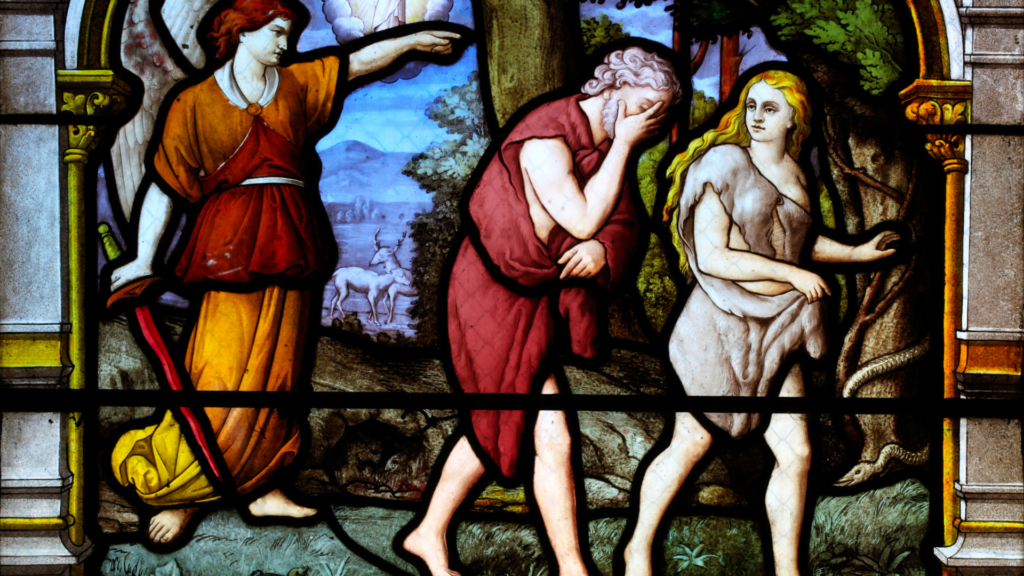
- Adam and Eve: The first human couple, their choices shape the course of human history, showcasing the consequences of disobedience and God’s grace.
- Noah: His ark and the flood narrative highlight divine judgment, mercy, and the establishment of a covenant with humanity.
- Abraham and Sarah: The patriarch and matriarch of the Israelite people, their faith journey and the covenant with God lays the foundation for the chosen nation.
- Joseph: His life in Egypt, marked by trials and triumphs, underscores the theme of God’s providence and the redemptive power of forgiveness.
Genesis serves as a foundation for understanding God’s relationship with humanity. Its themes, characters, and events provide profound insights into the complexities of human existence and the unwavering faithfulness of God.
Genesis to Revelation Bible study guide: Exodus
The Book of Exodus follows the narrative of the Israelites’ liberation from slavery in Egypt and their journey to the Promised Land. It is a continuation of the foundational story of God’s covenant with Abraham.
Key themes
- Liberation: Exodus emphasizes God’s intervention in the face of oppression, showcasing His commitment to freeing the Israelites from bondage in Egypt.
- Covenant renewal: The covenant with Moses on Mount Sinai reaffirms God’s commitment to the people, outlining their responsibilities and the divine promises that accompany their obedience.
Moses and the Exodus journey
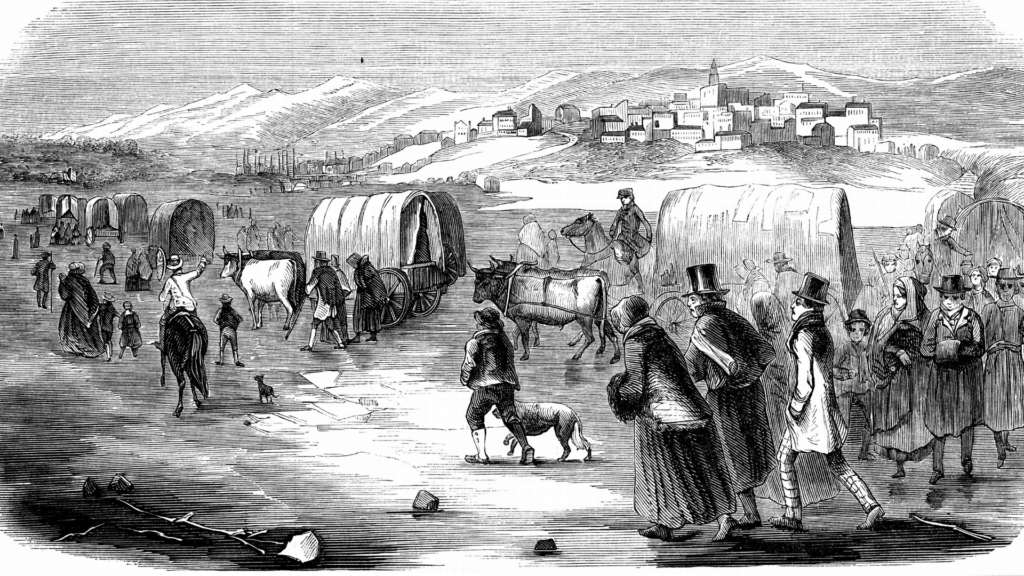
- Moses’ call: The reluctant leader, Moses, is called by God to lead the Israelites. His journey involves facing Pharaoh, witnessing miracles, and navigating the challenges of leadership.
- Red Sea crossing: The miraculous crossing of the Red Sea symbolizes liberation from slavery and the beginning of a new chapter for the Israelites.
The Ten Commandments
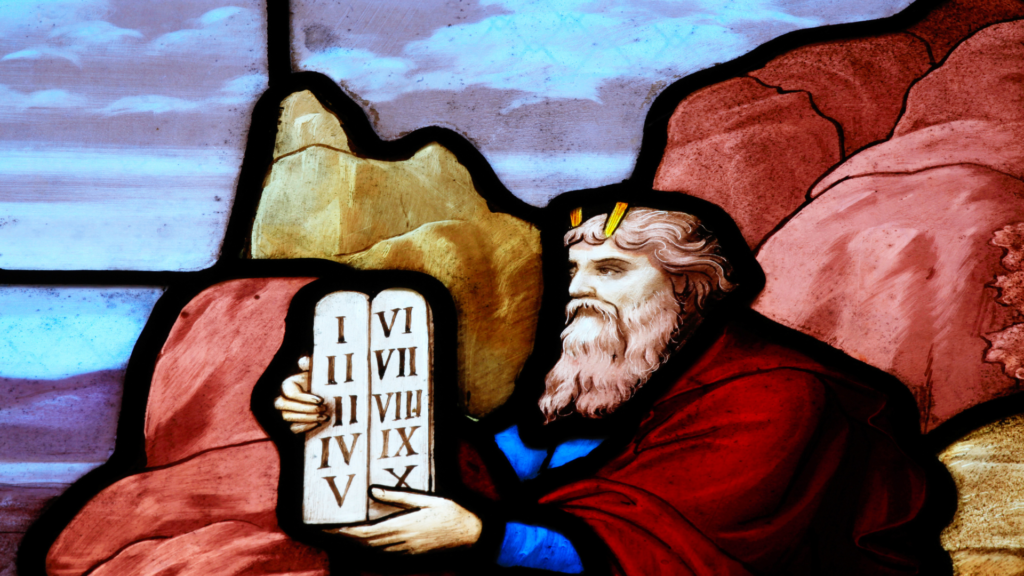
The pinnacle of the covenant is the giving of the Ten Commandments, providing a moral and ethical framework for the Israelites and, by extension, for all believers.
Exodus invites you to witness the profound intersection of liberation, covenant, and ethical living. As you reflect on Moses’ journey, the Red Sea crossing, and the giving of the Ten Commandments, you find lessons that resonate with the challenges and opportunities of contemporary life.
Genesis to Revelation Bible study guide: Leviticus, Numbers, and Deuteronomy
These books, often referred to as the “Law Codes” or the “Pentateuch,” continue the narrative of the Israelites’ journey from Egypt to the Promised Land. They provide detailed instructions for worship, community living, and legal practices.
Legal codes and rituals
- Leviticus: Emphasizes ritual purity, sacrifices, and the establishment of the priesthood. It outlines laws governing ethical conduct, cleanliness, and festivals.
- Numbers: Includes census data, legal codes, and narratives of the Israelites’ experiences during their wilderness journey. It highlights both the blessings of obedience and the consequences of disobedience.
The rituals and practices offer insights into the importance of spiritual discipline and the pursuit of holiness. The legal codes provide a foundation for ethical living, emphasizing justice, compassion, and reverence for God.
Wilderness wanderings

The journey through the wilderness serves as a testing ground for the Israelites’ faith and obedience. Challenges, such as the incident of the spies, illustrate the consequences of doubt and disobedience.
Moses’ farewell and Joshua’s leadership
- Deuteronomy: Moses delivers a series of farewell speeches, reiterating the covenant and emphasizing obedience to God’s commands.
The transition of leadership from Moses to Joshua symbolizes the continuity of God’s plan for the Israelites.
Leviticus, Numbers, and Deuteronomy reveal profound insights into the importance of holiness, ethical living, and the enduring nature of God’s covenant.
Genesis to Revelation Bible study guide: Joshua and Judges

The Books of Joshua and Judges narrate the transition of leadership from Moses to Joshua and the period of settling in the Promised Land. They capture the challenges, victories, and moral complexities faced by the Israelites.
Conquest of Canaan and settlement
- Joshua: Describes the military campaigns led by Joshua to conquer the land of Canaan. It details the miraculous crossing of the Jordan River and the fall of Jericho.
- Judges: Focuses on the period of settlement, highlighting the challenges of assimilating into the Promised Land and the emergence of judges as leaders.
Cycle of Judges
The recurring pattern of sin, oppression, repentance, and deliverance characterizes the cycle of judges. Notable judges, including Deborah, Gideon, and Samson, play key roles in this cycle.
Lessons on leadership and disobedience

The leadership transitions in Joshua and the stories of the judges provide insights into the qualities of effective and godly leadership. The consequences of disobedience in Judges remind modern believers of the importance of moral accountability and fidelity to God’s commands.
Joshua and Judges offer a compelling narrative of conquest, settlement, and the challenges of spiritual and moral fidelity. Through their triumphs and failures, you gain insights into the importance of unwavering faith, obedience to God’s commands, and the consequences of moral choices.
Genesis to Revelation Bible study guide: Ruth and Samuel
The Books of Ruth and Samuel offer captivating narratives that highlight the qualities of faithfulness, loyalty, and the transition from the period of judges to the establishment of the monarchy in Israel.
Ruth’s faithfulness and loyalty
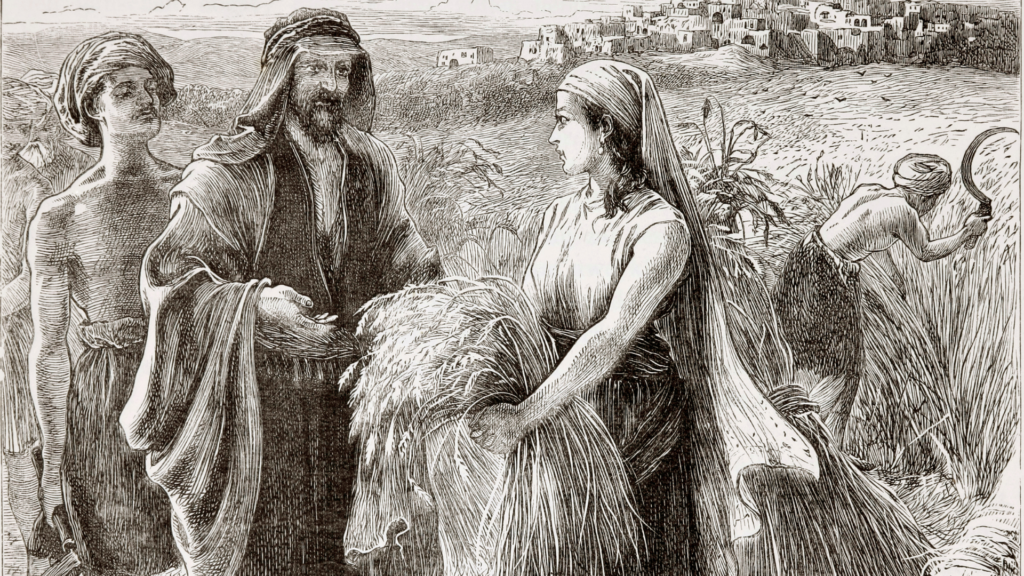
Ruth, a Moabite widow, exemplifies faithfulness and loyalty as she remains devoted to her mother-in-law Naomi, choosing to follow her to Bethlehem. Ruth’s humility and willingness to work diligently in the fields showcase the importance of character in challenging circumstances.
The story unfolds with Boaz, a close relative, redeeming Ruth, symbolizing God’s provision and the importance of loyalty.
Samuel’s role as a prophet and judge
Samuel, born to Hannah, is dedicated to God’s service from a young age, becoming a significant prophet and judge. He plays a pivotal role in anointing Saul as the first king of Israel and later anointing David as his successor.
Samuel’s anointing of David highlights the significance of a heart aligned with God’s, emphasizing character over external appearance.
Transition to monarchy with Saul and David

The people’s request for a king leads to the anointing of Saul. However, Saul’s reign is marked by both successes and failures. David’s anointing as king foreshadows the establishment of a dynasty that plays a crucial role in biblical history.
Ruth and Samuel offer timeless lessons on the virtues of loyalty, faithfulness, and the qualities of character that define impactful leadership.
Genesis to Revelation Bible study guide: Kings and Chronicles
The Books of Kings and Chronicles provide historical narratives of the Israelite monarchy, offering insights into the reigns of various kings, the construction of the Temple, and the consequences of both faithful and unfaithful leadership.
Solomon’s reign and the building of the Temple
Solomon’s reign is marked by wisdom, wealth, and peace. His construction of the magnificent Temple in Jerusalem became a central focus. The Temple’s dedication ceremony underscores the significance of God’s presence among His people.
Division of the kingdom
- Rehoboam and Jeroboam: The kingdom was divided into the Northern Kingdom of Israel, led by Jeroboam, and the Southern Kingdom of Judah, led by Rehoboam, reflecting the consequences of unwise leadership.
- Prophetic warnings: Prophets such as Elijah and Elisha emerge to deliver messages of warning and hope to the divided kingdoms.
Prophetic messages and historical accounts

- Elijah and Elisha: The narratives of these prophets highlight divine interventions, miracles, and confrontations with unfaithful leaders.
- Historical accounts: Chronicles provides a more positive perspective, focusing on the reigns of righteous kings and emphasizing the importance of seeking God.
Reflections on leadership and faithfulness
The varying outcomes of the kings’ reigns offer valuable lessons on the importance of wise and faithful leadership. Chronicles highlights stories of kings who, despite challenges, remained faithful to God, emphasizing the rewards of obedience.
Through the successes and failures of the leaders depicted, you discover principles that speak to the importance of humility, wisdom, and unwavering faith in God.
Genesis to Revelation Bible study guide: Ezra

The Book of Ezra continues the historical narrative of the Israelites, focusing on the return of the exiles from Babylon to Jerusalem. It highlights the rebuilding of the Temple and the efforts to restore the worship of God.
Key themes
- Return from exile: Ezra documents the return of the Israelites from Babylonian captivity, fulfilling God’s promise of restoration.
- Rebuilding the Temple: The central focus is on the rebuilding of the Temple in Jerusalem, a symbolic act of reestablishing the worship of God.
Historical and cultural context
Ezra covers the period following the Babylonian exile, detailing the challenges and triumphs of the returning exiles. The narrative unfolds during the time of Persian rule, providing insights into the political dynamics of the era.
The book serves as a testament to God’s faithfulness in restoring His people. It emphasizes the power of restoration after exile and underscores the importance of rebuilding and prioritizing true worship in the life of believers.
Genesis to Revelation Bible study guide: Nehemiah
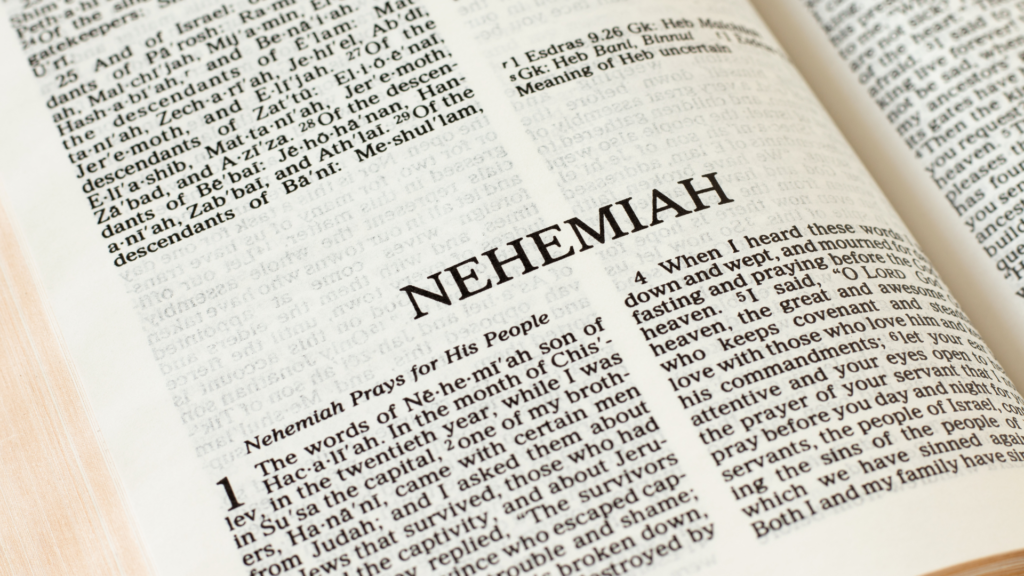
Nehemiah, contemporary to Ezra, provides a narrative of the rebuilding of the walls of Jerusalem. Nehemiah is a key figure in this reconstruction, displaying leadership, prayer, and a deep commitment to God.
Key themes
- Rebuilding the walls: Nehemiah leads the effort to reconstruct the walls of Jerusalem, addressing both physical and spiritual restoration.
- Leadership and prayer: The book highlights Nehemiah’s leadership skills, strategic planning, and reliance on prayer in the face of opposition.
Historical and cultural context
Like Ezra, Nehemiah contributes to the post-exilic narrative, providing insights into the challenges and triumphs of the returning exiles. Nehemiah serves as the cupbearer to King Artaxerxes, reflecting the Persian influence on the narrative.
Nehemiah complements Ezra’s narrative by detailing the reconstruction of the walls of Jerusalem. The book underscores the power of communal effort and prayer in overcoming challenges, emphasizing the importance of unity and collaboration.
Genesis to Revelation Bible study guide: Esther
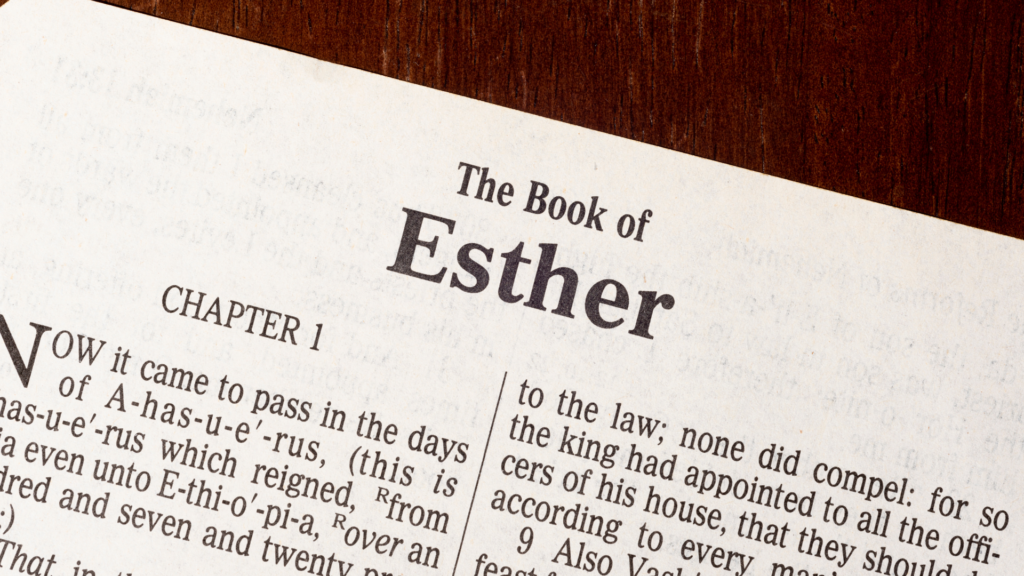
The Book of Esther is a captivating narrative set in Persia, telling the story of Esther, a Jewish queen, who, through her courage and faith, saves her people from a genocide plot. It’s a tale of providence, courage, and the preservation of the Jewish people.
Key themes
- Providence and God’s hidden hand: Although God is not explicitly mentioned, Esther underscores His providential guidance and intervention in preserving His people.
- Courage in the face of adversity: Esther’s bravery in approaching the king to intercede for her people exemplifies courage amid adversity.
Historical and cultural context
Esther unfolds during the reign of King Xerxes I of Persia, providing a glimpse into the political and cultural context of the time. The narrative addresses the challenges faced by the Jewish community living in the Persian Empire.
Esther is a narrative of providence, courage, and the preservation of the Jewish people. Although God is not explicitly mentioned, the story showcases His providential guidance. Esther’s bravery in the face of adversity inspires believers to trust in God’s unseen hand at work and to advocate for justice and righteousness.
Genesis to Revelation Bible study guide: Job

The Book of Job is a profound exploration of suffering, faith, and God’s sovereignty. It tells the story of Job, a righteous man who undergoes immense trials, prompting questions about the nature of suffering and the sovereignty of God.
Key themes
- The nature of suffering: Job wrestles with the questions surrounding the existence of suffering and the apparent silence of God.
- God’s sovereignty and wisdom: The narrative emphasizes God’s ultimate sovereignty and wisdom, even amid human suffering.
Ancient wisdom literature
Job is part of the wisdom literature, engaging with questions of human existence and the nature of God. The later sections of Job feature a theophany—a divine appearance—where God responds to Job’s questions.
Job’s journey challenges believers to trust in God’s wisdom even in the face of inexplicable suffering. The conclusion of Job’s story underscores the importance of humility before God and a repentant heart.
Genesis to Revelation Bible study guide: Psalms, and Proverbs
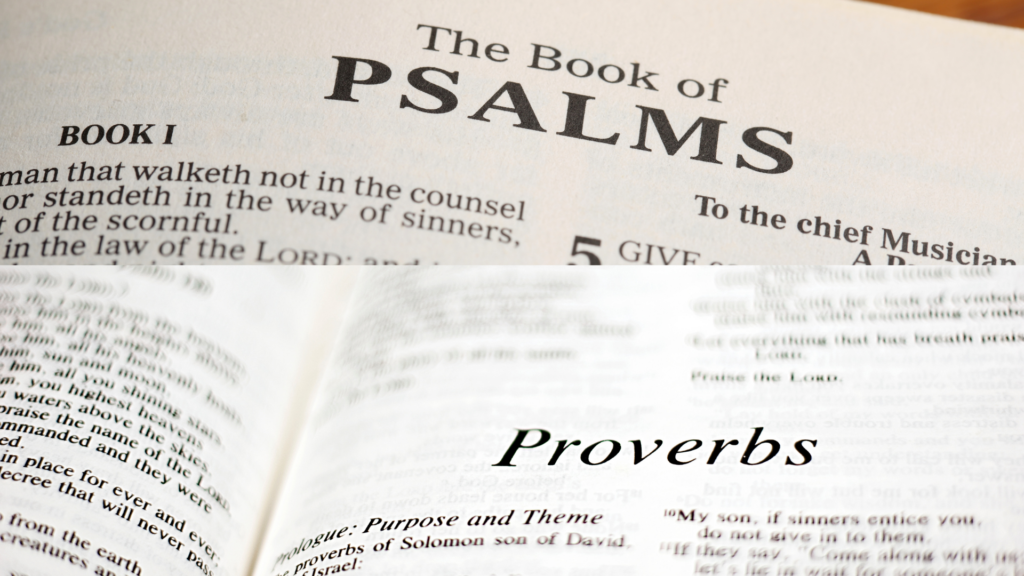
The Books of Psalms and Proverbs, nestled in the poetic and wisdom literature of the Bible, offer unique expressions of worship, contemplation, and practical insights for daily living.
Poetry and wisdom in Psalms
Psalms consist of diverse poetic forms, expressing a range of emotions from joy and praise to lament and despair. The psalmists explore the depths of the human experience while providing a profound reflection on God’s character and faithfulness.
Practical wisdom in Proverbs
Proverbs is a collection of practical wisdom, offering guidance on various aspects of life, including relationships, work, and morality. The fear of the Lord is a recurring theme, emphasizing reverence and obedience as the foundation for true wisdom.
Personal and communal reflections

- Individual lament and praise: Psalms invites personal reflection, encouraging you to pour out your heart to God in times of trouble and triumph.
- Community guidance: Proverbs provide communal wisdom, guiding societies toward justice, equity, and moral living.
Psalms and Proverbs are timeless sources of inspiration, offering invaluable wisdom and practical insights. These books invite you to draw near to God in every circumstance, express your deepest emotions, seek His wisdom, and apply principles to your relationships and decisions.
Genesis to Revelation Bible study guide: Ecclesiastes
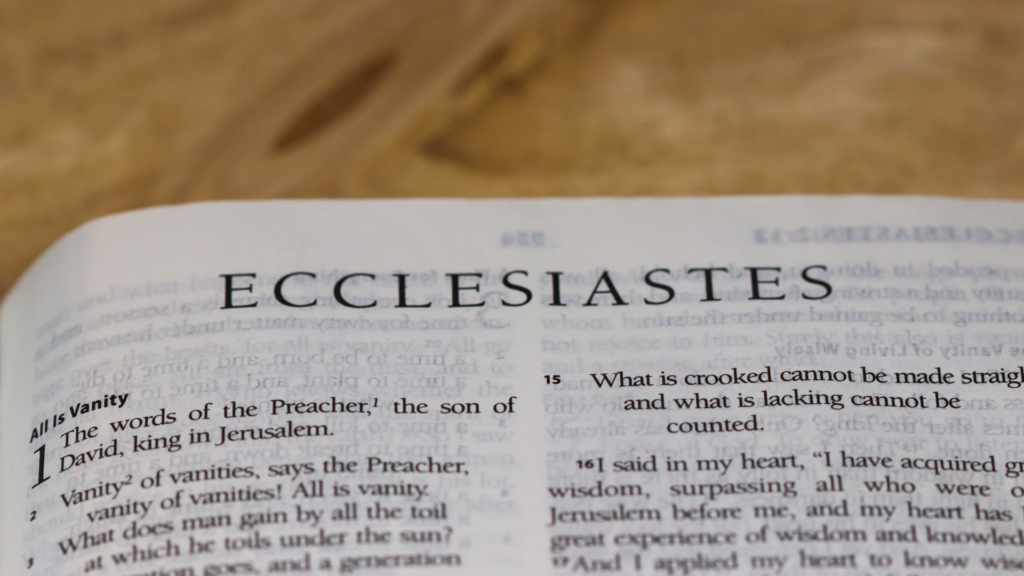
Ecclesiastes is a reflective book that explores the meaning of life, the pursuit of wisdom, and the inevitability of death. It grapples with the temporary nature of earthly pursuits and emphasizes the importance of fearing God.
Key themes
- Vanity of earthly pursuits: Ecclesiastes reflects on the futility of seeking meaning and satisfaction in wealth, pleasure, and achievements.
- Fear God and keep His commandments: The book concludes with the central message that true fulfillment comes from revering God and living in obedience to His commandments.
Solomonic wisdom
Written by King Solomon, known for his wisdom, the book reflects the intellectual and philosophical climate of the time. Ecclesiastes is part of the wisdom literature in the Bible, sharing thematic elements with Proverbs and Job.
Perspective on wealth and success

Ecclesiastes challenges the modern pursuit of success and wealth as the ultimate goals, urging a re-evaluation of life’s priorities. The book encourages believers to recognize the brevity of life and invest in eternal values.
Ecclesiastes invites you to reflect on the temporary nature of earthly pursuits and find meaning in fearing God. Its wisdom challenges the pursuit of worldly success and urges a reorientation towards an eternal perspective, emphasizing that true purpose is found in a relationship with God.
Genesis to Revelation Bible study guide: Song of Songs

The Song of Songs, also known as the Song of Solomon, is a poetic exploration of love and desire. It celebrates the beauty of romantic love, often interpreted allegorically to represent the relationship between God and His people. The book reflects the style of love poetry common in the Ancient Near East.
Key themes
- Celebration of love: The Song of Solomon describes the intense and passionate love between a bride and groom.
- Allegory of God’s love: Many interpret the book as an allegory of the deep, intimate love between God and His people.
Understanding true love

The Song of Songs challenges cultural notions of love, emphasizing the depth, exclusivity, and enduring nature of true love. It invites you to reflect on the depth of your relationship with God, using romantic imagery as a metaphor for spiritual intimacy.
Major and Minor Prophets
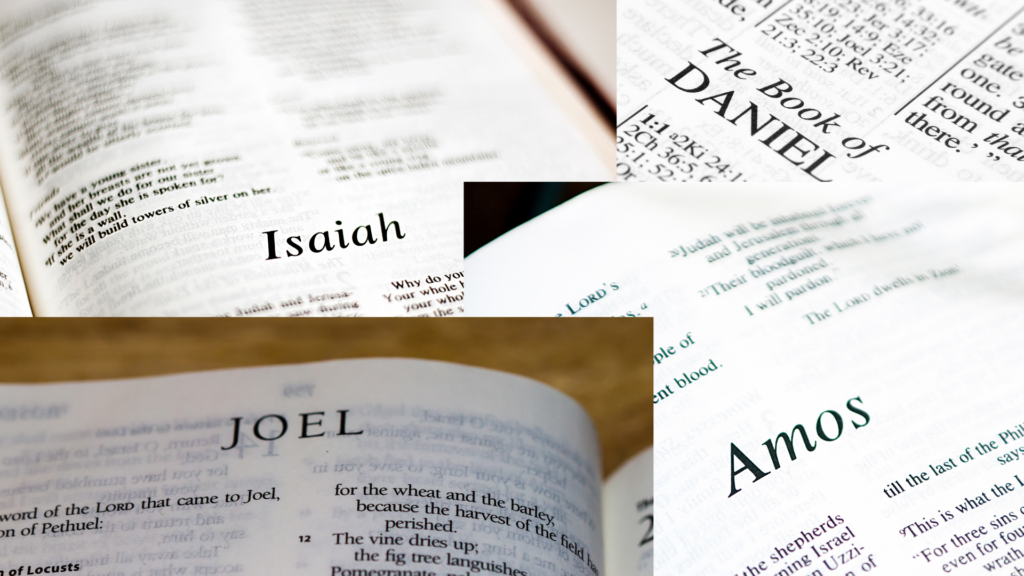
The Major Prophets (Isaiah, Jeremiah, Lamentations, Ezekiel, and Daniel) and Minor Prophets (Hosea, Joel, Amos, Obadiah, Jonah, Micah, Nahum, Habakkuk, Zephaniah, Haggai, Zechariah, and Malachi) form a significant portion of the Old Testament, providing powerful messages from God through various prophetic voices.
While the Major Prophets include longer works, the Minor Prophets contribute shorter but impactful messages.
Key themes
- Call to repentance: The prophets consistently call Israel and surrounding nations to repentance, urging them to turn back to God and His ways.
- Hope amidst judgment: Alongside messages of judgment, the prophets offer glimpses of hope, pointing towards God’s restoration and redemption.
Prophecies about the Messiah
Several prophets foretell the coming of a Messiah, describing His character, mission, and the impact of His redemptive work. These prophecies find fulfillment in the life, death, and resurrection of Jesus Christ in the New Testament.
Social justice themes

The call for justice and compassion in the prophetic writings is relevant to contemporary social justice movements, urging believers to actively pursue righteousness.
- Concern for the oppressed: The prophets consistently address issues of social injustice, calling for compassion, righteousness, and care for the marginalized.
- Condemnation of idolatry and injustice: The prophets condemn the intertwining of idolatry and injustice, emphasizing the importance of true worship and ethical living.
The dual message of repentance and hope

The Major and Minor Prophets provide messages that resonate with the human experience. From calls for repentance and messages of hope to prophetic visions of the Messiah and concerns for social justice, these books address various issues.
As you engage with the prophetic writings, you discover a source of inspiration, challenge, and hope that encourages you to pursue justice, mercy, and a deeper relationship with God in your daily life.
The Gospels
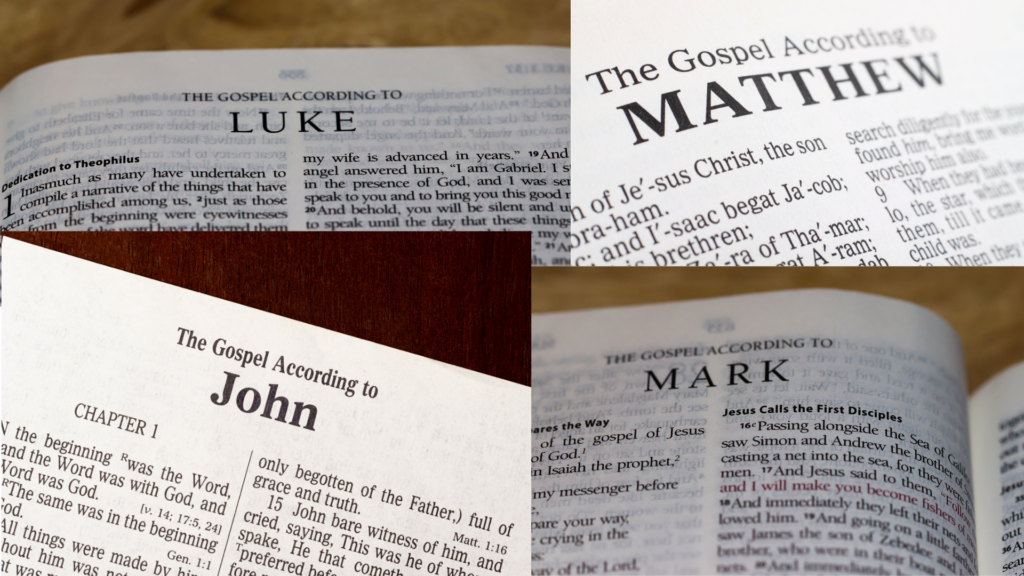
The Gospels, comprising the Books of Matthew, Mark, Luke, and John, provide a comprehensive narrative of the life, teachings, and redemptive work of Jesus Christ. Each Gospel offers a unique perspective on the central figure of Christianity.
Life and teachings of Jesus Christ
- Incarnation: The Gospels depict the miraculous birth of Jesus, emphasizing the divine and human nature of the Son of God.
- Sermons and teachings: Jesus’ teachings, including the Sermon on the Mount, impart moral and spiritual wisdom, emphasizing love, forgiveness, and the Kingdom of God.
Miracles and parables
The Gospels recount numerous miracles, showcasing Jesus’ power over nature, sickness, and death. Jesus communicates profound truths through parables, illustrating spiritual concepts in relatable stories.
Passion, death, and resurrection
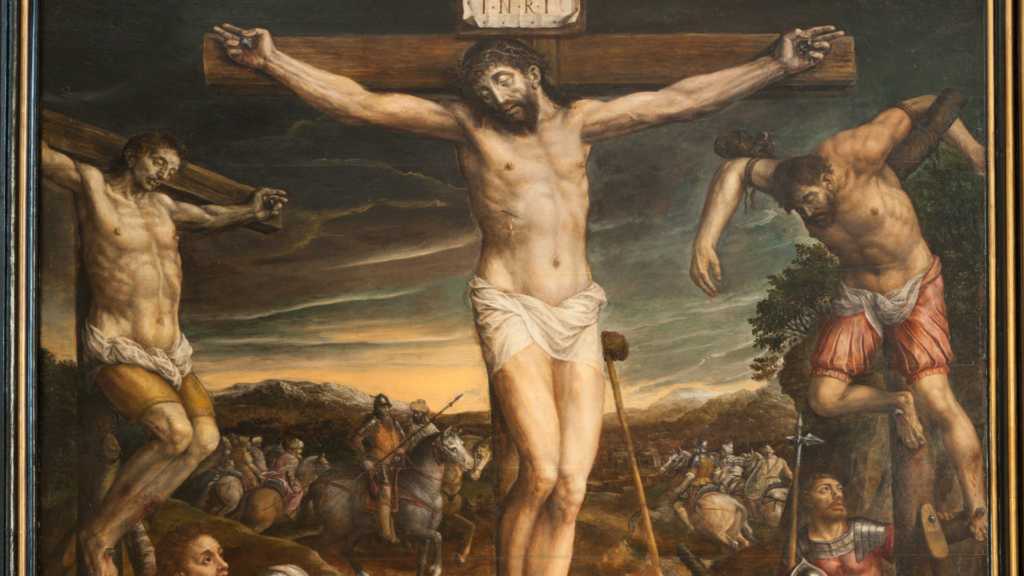
The Gospels narrate the events of Jesus’ final week, including His entry into Jerusalem, the Last Supper, and His betrayal. They culminate in the crucifixion, highlighting Jesus’ sacrificial death for humanity’s sins, followed by the victorious resurrection.
Significance for Christian believers
- Salvation and redemption: The Gospels reveal the foundational message of salvation through faith in Jesus Christ, emphasizing His role as the Lamb of God who takes away the sins of the world.
- Christian identity: The Gospels shape the identity of believers, guiding them in imitating Christ’s character and embodying His teachings.
The Gospels convey profound spiritual truths

The Gospels shape the identity and mission of believers, providing a roadmap for faithful living and an invitation to partake in the transformative power of the Gospel message.
As you delve into the accounts of Jesus’ life, teachings, miracles, and sacrificial death, you encounter the enduring love and redemptive purpose of God.
Genesis to Revelation Bible study guide: Acts of the Apostles

The Book of Acts is a continuation of the Gospel of Luke, providing a historical account of the early days of the Christian church. Acts details the birth of the church, the activities of the apostles, and the spread of Christianity.
Early Christian community
- Pentecost and the birth of the church: Acts begins with the dramatic events of Pentecost, where the Holy Spirit descends, empowering the apostles to speak in various languages. This event marks the birth of the Christian church.
- Communal living: The early Christians exemplify a sense of unity and generosity, sharing their possessions and supporting one another.
Missionary journeys of Paul
Acts recounts Paul’s initial journeys, spreading the Gospel to various regions and establishing Christian communities. He faces persecution, shipwrecks, and opposition but perseveres in sharing the Gospel, leading to the growth of the early church.
The Holy Spirit’s role

The Holy Spirit plays a central role in equipping and empowering believers for effective witness and ministry. Acts illustrates how the Holy Spirit guides and directs the apostles in making crucial decisions for the expansion of the church.
The birth and growth of the early Christian church
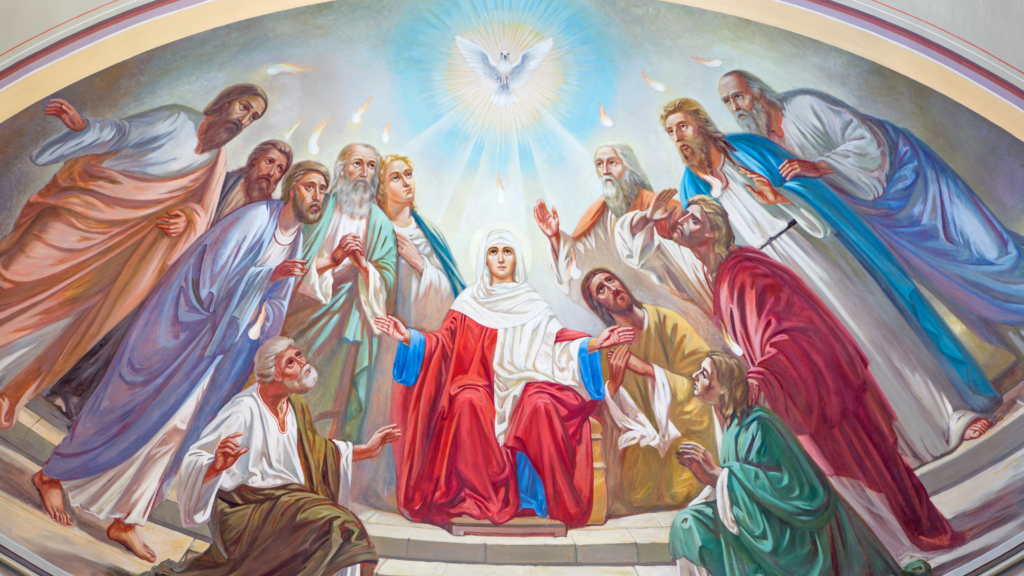
Acts of the Apostles is a dynamic narrative of the early Christian movement, offering lessons for believers today. From the birth of the church at Pentecost to the missionary endeavors of Paul and the ongoing work of the Holy Spirit, Acts provides a blueprint for building vibrant and resilient Christian communities.
As contemporary believers engage with the experiences of the early church, they find inspiration for unity, courage in evangelism, and a renewed dependence on the transformative power of the Holy Spirit.
Letters (Epistles)
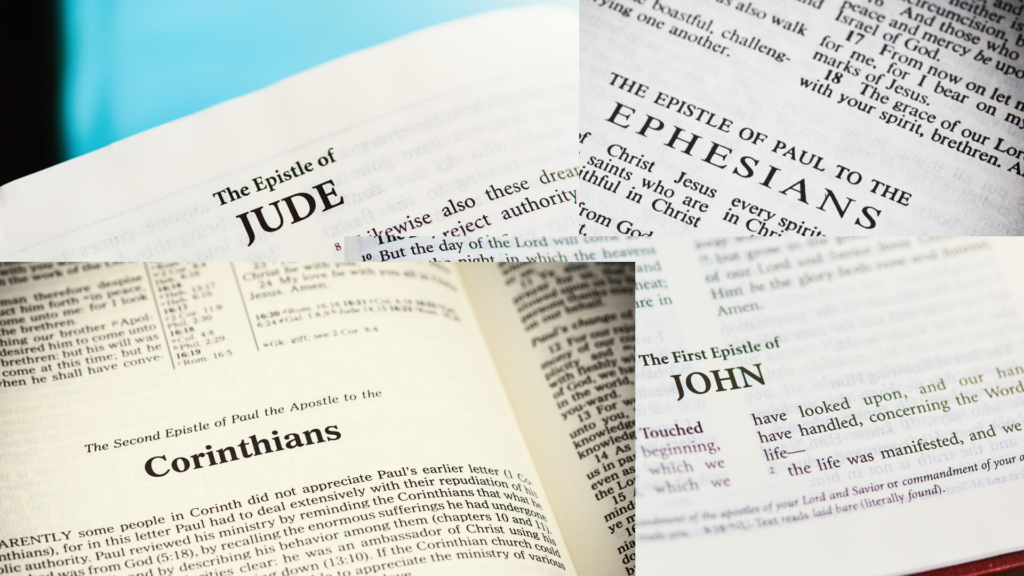
The Epistles, or letters, form a significant portion of the New Testament, written by apostles to various early Christian communities. These letters provide theological teachings, practical guidance, and encouragement to believers.
Theological and practical guidance
- Doctrinal foundations: The Epistles establish doctrinal foundations, addressing theological concepts such as salvation, justification, and the nature of Christ.
- Practical application: Alongside theological teachings, the letters offer practical guidance on Christian living, relationships, and ethical conduct.
Pauline and general epistles
Pauline epistles: Authored by the apostle Paul, these letters include Romans, 1 & 2 Corinthians, Galatians, Ephesians, Philippians, Colossians, 1 & 2 Thessalonians, 1 & 2 Timothy, Titus, and Philemon. They focus on foundational Christian teachings and pastoral advice.
General epistles: Written by other apostles such as Hebrews, James, 1 & 2 Peter, 1, 2 & 3 John, and Jude, these letters address specific issues within the early Christian communities.
Themes of faith, love, and holiness

- Faith and justification: The Epistles emphasize the centrality of faith in Christ and the concept of justification by faith.
- Love and community: Love is a recurring theme, highlighting its foundational role in Christian relationships and community.
- Holiness and sanctification: The letters call believers to live holy and sanctified lives, set apart for God’s purposes.
Guidance for Christian living

The Epistles serve as foundational texts for understanding Christian doctrine and theology. Whether penned by Paul or other apostles, the advice offered in these letters remains relevant, providing guidance on issues such as ethics, relationships, and community engagement.
The Epistles are a vital part of the Christian journey, offering enduring principles that bridge the gap between the early church and the diverse expressions of Christianity in the present day.
Genesis to Revelation Bible study guide: Revelation

The Book of Revelation, the final book of the Bible, is a profound and symbolic vision given to the apostle John. It unveils truths about God’s sovereignty, the ultimate triumph of good over evil, and the culmination of God’s redemptive plan.
Apocalyptic imagery and symbolism
- Symbolic language: Revelation employs vivid apocalyptic imagery and symbolism to convey profound spiritual truths.
- Heavenly vision: The book provides glimpses into the heavenly realm, unveiling the spiritual realities that shape the course of human history.
Messages to the seven churches
Revelation begins with letters to the seven churches, addressing their strengths, and weaknesses, and calling them to repentance. While specific to the seven churches, these messages hold universal relevance, offering invaluable insights for today’s churches.
The final judgment and new heaven/new earth

Revelation portrays a final judgment where God holds all accountable, separating the righteous from the unrighteous. The vision concludes with a description of a renewed creation, free from sin and filled with God’s presence.
Encouragement for endurance and faithfulness
Throughout Revelation, believers are encouraged to endure persecution and remain faithful, trusting in the ultimate victory of Christ. The book assures believers that, despite the challenges, God’s redemptive plan will be fulfilled, bringing hope and eternal joy.
Unveils truths about God’s sovereignty

Revelation is a powerful conclusion to the biblical narrative, providing a glimpse into the culmination of God’s redemptive plan. While its apocalyptic imagery may seem daunting, the messages of hope, endurance, and faithfulness resonate across times.
As you engage with Revelation, you find assurance that God remains in control, guiding human history towards a glorious conclusion. The call to endurance and faithfulness amidst trials is an encouragement for believers today, reminding us to fix our eyes on the eternal promises revealed in this apocalyptic masterpiece.
Encouragement for continued Bible study

As we conclude this Bible study guide, I encourage you to continue exploring the living God’s Word. The Bible is a rich and inexhaustible source of wisdom, guidance, and spiritual nourishment.
Continue to dig deeper, ask questions, seek understanding, and let the Scriptures shape your worldview and actions.
Importance of applying biblical principles
Studying the Bible is not an intellectual exercise but a transformative journey. The true impact is realized when the principles and teachings encountered are applied in your daily life.
Let the wisdom gained from Scripture guide your decisions, relationships, and actions, transforming your character to reflect the values of the Kingdom of God.
Invitation to further exploration and discussion

The Genesis to Revelation Bible study guide provides a broad overview, but there is much more to explore. This is an invitation to delve into specific topics, conduct in-depth studies, and engage in discussions with fellow believers.
Consider joining a Bible study group, exploring commentaries, or delving into specific books and themes. The Bible is a living book, and every encounter with it brings fresh insights.
Explore the Bible from Genesis to Revelation
Throughout this comprehensive Bible study guide, we embarked on a journey through the various books of the Bible, from Genesis to Revelation. The Bible is a timeless and invaluable gift, offering wisdom, comfort, and a roadmap for the journey of faith. May your continued exploration of God’s Word deepen your relationship with Him and empower you to live a life aligned with His purposes.

I’m a devoted follower of Christ on a journey to share the profound love, faith, and hope found in our Savior. Through my writings, I aim to inspire, uplift, and encourage fellow believers as we walk together in God’s light. Join me in exploring the beauty of faith and discovering the richness of a life rooted in Christ. Want to connect with me? Follow me on Facebook and YouTube.