
Are you ready to dive into one of the most powerful stories of liberation and faith in the Bible? The Book of Exodus is a journey of deliverance, where God leads His people from bondage in Egypt to freedom in the Promised Land. This Bible study guide walks you through the pivotal moments, profound lessons, and enduring promises found in Exodus, helping you uncover timeless truths for your spiritual walk today.
Exodus Bible study guide: Brief overview

The Book of Exodus, the second book in the Bible, chronicles the compelling narrative of the Israelites’ liberation from slavery in Egypt.
Beginning with the oppression of the Israelites under Pharaoh’s rule, the book follows the leadership of Moses, the plagues that marked the divine intervention, and the miraculous crossing of the Red Sea.
Exodus extends further to the establishment of the covenant at Mount Sinai and the construction of the Tabernacle, illustrating the profound journey of a people from bondage to divine promise. Here is a summary of Exodus:
| Category | Details |
|---|---|
| Author | Traditionally attributed to Moses. |
| Date of writing | Likely written between 1446 and 1406 BC, depending on the dating of the Exodus event. |
| Purpose | To record the deliverance of the Israelites from Egyptian bondage and establish them as God’s chosen people through the covenant at Mount Sinai. |
| Recipients | The Israelites, and future generations. |
| Historical context | Written during Israel’s journey from Egypt to the Promised Land; reflects the events surrounding their liberation from slavery and establishment as a nation under God’s law. |
| Key themes | Deliverance and redemption, God’s law and covenant, God’s authority and sovereignty, worship and the Tabernacle, faith and obedience. |
| Notable verses | Exodus 3:14, 12:13, 14:21-22, 20:1-17, 33:14. |
| Application for today | Encourages believers to seek God’s presence in daily life, worship, and obedience and recognize Jesus as the fulfillment of the Passover lamb, delivering us from sin through His sacrifice. |
Importance of studying Exodus
Exodus holds a crucial place in the biblical canon, representing a foundational narrative that underscores themes of liberation, covenant, and divine guidance.
It serves as a bridge between the foundational stories of Genesis and the subsequent books, laying the groundwork for the emergence of the nation of Israel.
The Exodus Bible study guide provides insight into the nature of God’s redemptive plan and offers a deeper understanding of His covenant relationship with His people.
Purpose of the Exodus Bible study guide

This guide facilitates a comprehensive exploration of the themes, characters, and historical context found within Exodus.
By delving into the text, you gain a richer understanding of the significance of the Exodus narrative, its relevance, and the lessons it imparts to contemporary Christians.
Through thoughtful reflection and group discussion, the Exodus Bible study guide aims to enhance your spiritual journey and foster a deeper connection with the timeless truths embedded in the book.
Exodus Bible study guide: Background information

Exodus is a pivotal text in both the Old Testament and the Torah. It narrates the story of the Israelites’ enslavement in Egypt, their dramatic deliverance by God through Moses, and their journey toward becoming a covenant nation.
Historical context
The events of the Book of Exodus are traditionally placed between the late second millennium BCE, around the 13th century BCE.
This period corresponds to the New Kingdom era of Egypt, specifically the time of the Pharaohs of the 18th or 19th Dynasties, who were known for their extensive building projects and imperial ambitions.
During this time, Egypt was a dominant power in the ancient Near East, and the Israelites, or Hebrews, are depicted as living in bondage under an unnamed Pharaoh. The backdrop of slavery in Egypt and the subsequent Exodus aligns with the wider patterns of migration, labor force mobilization, and political dynamics that characterized the region at the time.
The narrative of the Israelites’ escape from Egypt may reflect historical memories of a real event, even though its details have been interpreted and reinterpreted in religious tradition.
Setting the stage: Egypt and the plight of the Israelites
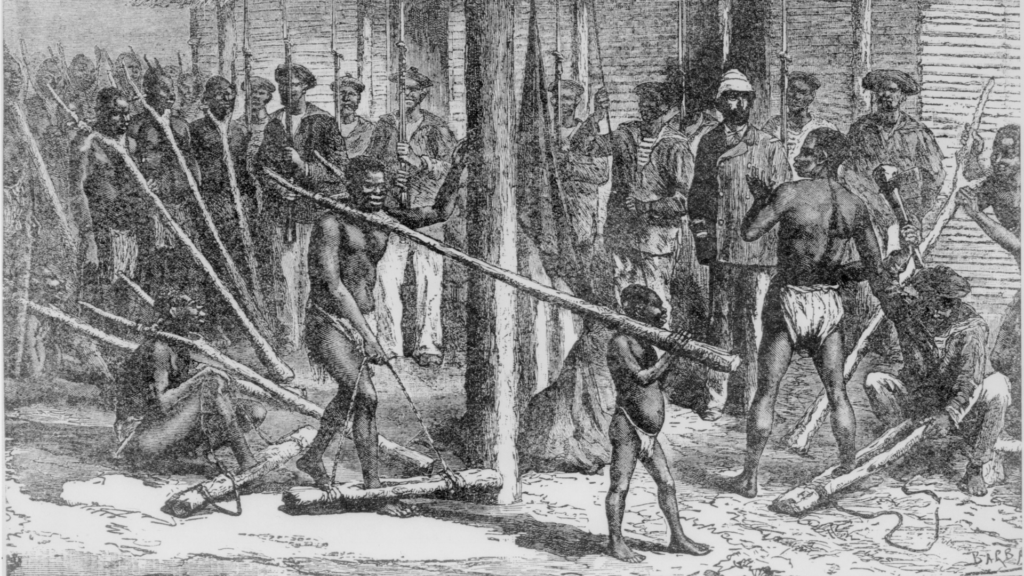
In the opening chapters of Exodus, the stage is set in the land of Egypt, a powerful and influential civilization of the ancient world.
The Israelites find themselves in dire circumstances, subjected to harsh slavery and oppression under the rule of Pharaoh who feared their growing numbers.
The socio-political landscape of Egypt becomes a critical background for the unfolding drama of liberation and divine intervention.
Understanding the socio-political climate during the time of Moses

Moses emerges as a central figure during a difficult period in Egyptian history.
The political climate is characterized by the authoritarian rule of Pharaoh, whose policies of subjugation and cruelty towards the Israelites become catalysts for the divine intervention that follows.
Moses, born during a time of intense persecution, later becomes a key player in challenging the oppressive regime and leading the Israelites towards freedom.
The significance of the Exodus event in the broader biblical narrative

The Exodus event is not isolated but intricately woven into the broader biblical narrative. It marks a turning point in the relationship between God and His people, solidifying the covenant initiated with Abraham.
The liberation of the Israelites becomes a foundational story that resounds throughout the Bible, shaping themes of redemption, obedience, and the faithfulness of God.
The Exodus foreshadows future instances of divine intervention and underscores the concept of God as a deliverer and guide for His people.
Cultural context

The Israelites in the Book of Exodus lived in a world deeply influenced by Egyptian culture and religion. Egypt was a land of polytheism, with a pantheon of gods and goddesses associated with natural forces, fertility, and the afterlife.
Egyptian religious practices, art, and monumental architecture would have had a significant impact on the enslaved Israelites, as seen in their later struggles with idolatry, such as the worship of the golden calf. Life in ancient Egypt was hierarchical, with the Pharaoh regarded as both king and deity, wielding immense political and religious power.
The Israelites’ status as slaves placed them at the bottom of this social order, deprived of rights and subject to forced labor, which Exodus describes in terms of building projects and agricultural work.
In contrast, the laws given to Israel at Mount Sinai during their wilderness journey were meant to set them apart from other nations, emphasizing justice, community responsibility, and exclusive worship of Yahweh. The cultural transition from Egyptian servitude to a covenant relationship with God is central to the book’s themes.
Authorship and date of writing

Traditionally, Moses is credited with the authorship of the Book of Exodus, as part of the five books of the Torah (also known as the Pentateuch). According to this view, Moses wrote the book under divine inspiration during the Israelites’ 40-year journey through the wilderness.
This traditional belief, however, has been questioned by modern scholars. Contemporary scholarship favors a later composition for Exodus, dating it to between the 10th and 6th centuries BCE. This period includes the united monarchy under Saul, David, and Solomon, as well as the divided kingdom era, which saw Israel and Judah as separate entities.
Some scholars argue that the stories were passed down through oral tradition before being written down and edited during or after the Babylonian Exile (6th century BCE), when Israel sought to preserve its national identity and religious heritage.
Regardless of its precise date of composition, the Book of Exodus reflects both the ancient memories of the Israelites and their theological understanding of God’s covenant relationship with them.
Exodus Bible study guide: Structure of the book
Exodus is divided into two main parts: the first half details Israel’s liberation from Egypt, and the second half focuses on the establishment of laws and the construction of the Tabernacle.
This division shows a shift from a narrative of deliverance to legal instructions. Here are the 40 chapters of Exodus:
| Chapters | Key highlights |
|---|---|
| 1-6 | Israel in Egypt: Introduces the oppression of Israel, Moses’ birth, and God’s call. |
| 7-12 | The Ten Plagues: Examines the escalating plagues and the institution of the Passover. |
| 13-18 | Journey to Sinai: Describes the Israelites’ departure, crossing of the Red Sea, and journey through the wilderness. |
| 19-24 | Covenant at Sinai: God establishes the covenant at Mount Sinai, giving the Ten Commandments and other laws. |
| 25-31 | Tabernacle instructions: God provides detailed instructions for constructing the Tabernacle and making priestly garments. |
| 32-34 | Golden calf and renewed covenant: Israelites worship the golden calf. Moses intercedes, and God renews the covenant. |
| 35-40 | Tabernacle construction: The Israelites build the Tabernacle according to God’s instructions. |
Timeline of Exodus
The timeline of the Book of Exodus spans a series of significant events that mark Israel’s journey from slavery to nationhood.
Starting with the Israelites’ oppression in Egypt, the narrative follows Moses’ life, the dramatic confrontation with Pharaoh, and the miraculous escape through the Red Sea.
After their liberation, the timeline shifts to their journey to Mount Sinai, where they receive the Law and instructions for building the Tabernacle.
This period in biblical history lays the foundation for Israel’s identity as God’s chosen people and their covenant relationship with Him.
| Event | Description |
|---|---|
| Oppression of the Israelites | The Israelites face harsh slavery and oppression under Pharaoh’s rule in Egypt. |
| Birth and early life of Moses | Moses is born during a time when Pharaoh orders the killing of Hebrew male infants. He is placed in a basket and rescued by Pharaoh’s daughter. Moses is raised in the royal court. |
| Moses’ call at the burning bush | God calls Moses to lead the Israelites out of Egypt through the miraculous burning bush encounter. |
| The Ten Plagues | God sends Ten Plagues upon Egypt, including plagues of blood, frogs, and locusts, to compel Pharaoh to release the Israelites. |
| Passover and Exodus | The Israelites observe the Passover, and the Angel of Death passes over their homes. The Israelites then make their exodus from Egypt. |
| Crossing the Red Sea | God miraculously parts the Red Sea, allowing the Israelites to escape while drowning the pursuing Egyptian army. |
| Journey to Mount Sinai | The Israelites journey through the wilderness and arrive at Mount Sinai. |
| The giving of the Ten Commandments | God gives the Ten Commandments and establishes the covenant with the Israelites at Mount Sinai. |
| Construction of the Tabernacle | Moses receives detailed instructions for the construction of the Tabernacle, a portable dwelling for worship. |
| Rebellion and consequences | The Israelites rebel against God in various instances, leading to consequences such as the wandering in the wilderness for forty years. |
| Arrival at the Promised Land | The book of Exodus concludes with the Israelites on the verge of entering the Promised Land, marking the fulfillment of God’s promise to Abraham. |
Literary style

Exodus blends narrative storytelling with legal codes, poetry, and vivid imagery to enhance the richness of the text and the significance of the events it describes.
- Narrative prose: The first half of the book is written in a straightforward, chronological narrative style. It recounts the story of Moses, the Israelites’ oppression in Egypt, the Ten Plagues, and the crossing of the Red Sea.
- Legal text: The second half of Exodus includes detailed legal texts, such as the Ten Commandments and other laws given at Mount Sinai. These laws are written in prescriptive, authoritative language, outlining specific commands and regulations.
- Repetition: Instructions about the Tabernacle are repeated almost verbatim when the actual construction takes place (Chapters 25–31 and 35–40). This emphasizes the importance of following God’s commands precisely.
- Theophany: The book contains vivid descriptions of God’s appearances, such as the burning bush (Exodus 3) and God’s descent on Mount Sinai (Exodus 19). These sections use dramatic and awe-inspiring imagery.
- Dialogues: Dialogues between God and Moses, as well as between Moses and Pharaoh, drive much of the action in the first part of the book. These dialogues often feature divine commands, confrontations, and negotiations.
- Symbolism: The use of symbolic language and actions, such as the Passover lamb and the crossing of the Red Sea, convey deeper theological meanings, particularly concerning salvation and covenant.
- Lists and measurements: The chapters on the Tabernacle include detailed lists of materials, dimensions, and instructions for construction, reflecting a technical and precise literary style.
- Song of Praise: Exodus 15 contains a unique literary form—Moses’ Song of Praise, a poetic celebration of God’s deliverance at the Red Sea.
Exodus Bible study guide: Key themes

The Book of Exodus has profound themes that resonate throughout the biblical narrative. Among these, the themes of liberation and redemption stand prominently, illustrating God’s mercy, justice, and faithfulness to His covenant.
Liberation and redemption
Liberation and redemption form the core of the Exodus narrative, showcasing God’s intervention to rescue His people from bondage.
The oppression of the Israelites in Egypt

The Israelites find themselves in the harsh grip of slavery and oppression in Egypt. Their suffering becomes a touching subject, emphasizing the need for divine intervention and liberation.
God’s call to Moses and the promise of deliverance
God chooses Moses as the instrument of liberation, calling him from the burning bush to lead the Israelites out of Egypt.
This divine call represents God’s commitment to fulfilling His promise to Abraham and delivering His people from the depths of bondage.
The Ten Plagues and their symbolic meanings

The narrative unfolds with a series of Ten Plagues unleashed upon Egypt, each serving as a powerful sign of God’s authority and a challenge to Pharaoh’s stubbornness.
These plagues, from the turning of the Nile into blood to the death of the firstborn, carry symbolic significance, portraying the divine judgment against the gods of Egypt and emphasizing the severity of God’s demand for liberation.
- The plagues also reveal God’s patience and His desire for Pharaoh’s repentance, demonstrating that redemption is not only about the physical release of the Israelites but also the transformation of hearts and acknowledgment of God’s sovereignty.
- Additionally, the tenth plague, the Passover, establishes a ritual that symbolizes the means of protection and deliverance for those who trust in God’s guidance. The Passover lamb becomes a foreshadowing symbol of the ultimate redemption through the sacrificial Lamb of God in the New Testament.
The interplay of these elements weaves a narrative that extends beyond historical events, inviting you to reflect on the universal themes of liberation, redemption, and the enduring promise of God’s faithfulness.
Covenant and relationship with God

The narrative of Exodus not only reveals the physical liberation of the Israelites but also underscores the profound establishment of a covenant—a sacred pact between God and His chosen people.
This covenant sets the stage for a transformative relationship, governed by principles and laws that shape the identity of the Israelites.
The establishment of the covenant at Mount Sinai
At the foot of Mount Sinai, God initiates a covenant with the Israelites, marking a significant moment in their relationship. This covenant is characterized by God’s promise to be their God and their commitment to be His people.
The covenant serves as the foundation for the moral and ethical principles that guide the Israelites’ conduct and reflect the nature of their relationship with God.
- The covenant at Mount Sinai establishes the parameters for worship, conduct, and community life, outlining the expectations and responsibilities of both parties.
- The covenantal relationship reflects God’s desire for an intimate connection with His people, emphasizing not only obedience but also a personal and reciprocal commitment.
The giving of the Ten Commandments

Central to the covenant is the giving of the Ten Commandments, a set of moral and ethical principles that lay the framework for righteous living. These commandments are not a list of rules but serve as a reflection of God’s character and His desire for His people to live in harmony with one another.
- The Ten Commandments cover various aspects of life, from honoring God and keeping the Sabbath to ethical guidelines for interpersonal relationships.
- The commandments form the basis for ethical and moral conduct, providing a roadmap for a just and harmonious society.
Israel’s commitment to obey and follow God

In response to God’s covenant and the giving of the commandments, the Israelites express their commitment to obey and follow God.
This commitment involves a promise to adhere to the laws and principles laid out in the covenant, acknowledging God’s sovereignty and authority.
- The covenantal relationship involves not only adherence to laws but also a commitment to love, worship, and remain faithful to God.
- The ongoing narrative of Exodus illustrates the challenges and triumphs of Israel’s journey in upholding their commitment to God, showcasing the complexities of human faithfulness and divine grace.
The covenantal theme in Exodus underscores the depth of the relationship between God and His people, emphasizing both divine guidance and human responsibility.
It sets the stage for a transformative journey that extends beyond physical liberation to the shaping of a people with a unique identity and a covenantal bond with their Creator.
Tabernacle and worship

Within the narrative of Exodus, the construction of the Tabernacle becomes an essential aspect of Israel’s worship, providing a tangible expression of their relationship with God.
This sacred space and the rituals associated with it play a significant role in the ongoing connection between the Israelites and their divine covenant partner (God).
Construction of the Tabernacle and its significance

The Tabernacle, a portable sanctuary, symbolizes the dwelling place of God among His people.
Constructed according to precise instructions received by Moses on Mount Sinai, the Tabernacle reflects the heavenly pattern and serves as a physical manifestation of God’s presence amid the community.
- The construction of the Tabernacle involves a collaborative effort of the entire community, highlighting the collective responsibility and communal nature of worship.
- The materials, dimensions, and intricate details of the Tabernacle underscore the holiness and reverence attributed to the space where God chooses to dwell among His people.
The role of the priests and rituals in worship

The priesthood assumes a central role in the worship life of Israel, mediating between the people and God. The consecration of Aaron and his sons as priests establishes a designated group entrusted with performing sacred rituals and maintaining the sanctity of the Tabernacle.
- Rituals, including sacrifices, offerings, and purification ceremonies, become integral components of Israel’s worship, symbolizing themes of atonement, dedication, and the acknowledgment of God’s holiness.
- The adherence to rituals emphasizes the importance of order and reverence in approaching the divine presence, reflecting God’s desire for a people set apart for Himself.
God’s presence among the people

The climax of the Tabernacle narrative is the manifestation of God’s glory filling the sanctuary. This divine presence serves as a powerful affirmation of God’s faithfulness to the covenant and His commitment to dwell among His people.
- The cloud of glory that hovers over the Tabernacle by day and the pillar of fire by night signifies God’s continual guidance, protection, and intimate connection with the Israelites.
- God’s presence is not confined to the physical structure of the Tabernacle but extends to the entire community, emphasizing the inclusive nature of God’s dwelling among His people.
The Tabernacle and its associated worship practices convey profound spiritual truths about the accessibility of God, the need for reverence in worship, and the communal nature of faith.
Through the Tabernacle, the Israelites experience a tangible manifestation of their covenant relationship with God, reinforcing the idea that worship is not only a set of rituals but a dynamic expression of a living and interactive relationship with God.
Exodus Bible study guide: Character study (Moses)
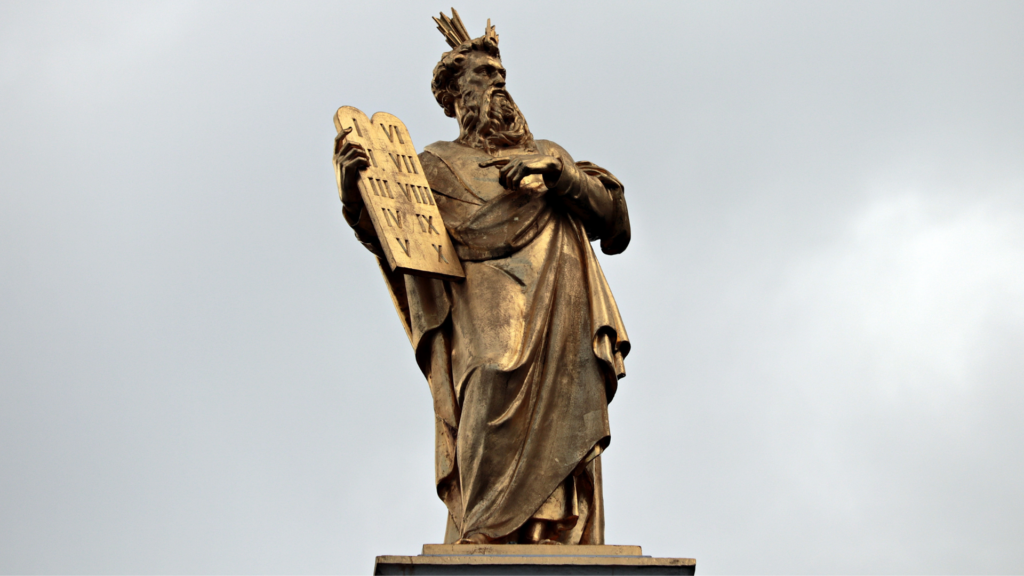
Moses, a central figure in the Book of Exodus, emerges as a leader chosen by God to guide the Israelites from bondage to freedom.
His life is marked by extraordinary events, profound encounters with God, and unwavering commitment to his calling.
Moses’ early life and calling
Moses’ journey begins with humble origins. Born during a time of persecution, he is placed in a basket and rescued by Pharaoh’s daughter. His early life takes an unexpected turn when he is raised in the royal court of Egypt.
Exodus 2:10 highlights the providential circumstances of Moses’ early life, emphasizing his miraculous preservation and divine purpose. Exodus 3:4 captures the crucial moment of God’s call to Moses through the burning bush, marking the beginning of his divine commission to lead the Israelites.
Leadership challenges and growth

Moses’ leadership unfolds amidst numerous challenges, including resistance from Pharaoh, the grumbling of the Israelites, and the complexities of guiding a vast multitude through the wilderness.
In the face of imminent danger at the Red Sea, Moses displays unwavering faith, urging the people to trust in God’s deliverance (Exodus 14:13-14).
Exodus 18:13-16 highlights the leadership challenge of Moses being overwhelmed by his responsibilities, leading to the wise counsel of his father-in-law Jethro.
Moses’ relationship with God and his intercession for the people

Moses’ unique relationship with God is marked by intimate conversations, divine revelations, and his role as an intercessor for the rebellious Israelites.
Exodus 33:11 reflects the exceptional intimacy of Moses’ relationship with God, characterized by direct and personal communication.
In Exodus 32:11-14, Moses intercedes for the sinful Israelites, exemplifying his deep compassion and willingness to stand in the gap between the people and God.
Other characters
Each of these characters plays a crucial role in the story of Exodus, contributing to the overarching themes of liberation, faith, and the covenant between God and His people.
- Pharaoh: The king of Egypt and antagonist in the story. Pharaoh enslaved the Israelites and refused to let them go despite numerous plagues sent by God. He hardened his heart repeatedly in defiance of God’s commands, finally relenting after the death of the firstborn in Egypt but later pursued the Israelites to the Red Sea, where his army was destroyed.
- Aaron: Moses’ older brother and spokesperson. He served as the high priest and assisted Moses in confronting Pharaoh. Aaron spoke on behalf of Moses before Pharaoh, helped lead the Israelites, and later, was involved in the incident of the golden calf while Moses was on Mount Sinai.
- Miriam: Moses’ sister and prophetess. She watched over Moses as a baby when he was placed in the Nile and played a key role in the escape from Egypt. Miriam led the women in singing and dancing after the crossing of the Red Sea, celebrating God’s victory over the Egyptians.
- Jethro (Reuel): Moses’ father-in-law and priest of Midian. Jethro provided Moses with wisdom and advice on leadership and governance. He suggested to Moses to delegate judicial responsibilities to others, allowing him to better manage the people.
- Joshua: Moses’ assistant and future leader of the Israelites. Joshua is a young warrior who later becomes Moses’ successor. He led the Israelites in battle against the Amalekites and accompanied Moses partway up Mount Sinai.
- Zipporah: Moses’ wife and daughter of Jethro. She married Moses during his time in Midian. Zipporah intervened to save Moses’ life by circumcising their son when God sought to kill him on the way back to Egypt.
- The Israelites: The chosen people of God, enslaved in Egypt. They witnessed and experienced God’s deliverance from Egypt, but often struggled with faith, frequently complaining and rebelling during their journey in the wilderness.
- The Egyptian taskmasters: Enforcers of the Israelites’ labor under Pharaoh’s command. Oppressed the Israelites, increasing their workload when Moses and Aaron demanded their release.
Exodus Bible study guide: Key passages and their exegesis

These passages reveal deep theological truths, showcasing God’s power, justice, mercy, and the call for obedience.
Exodus 3:14
In this pivotal moment, God reveals His divine name to Moses at the burning bush. The Hebrew phrase “Ehyeh-Asher-Ehyeh” (translated as “I AM WHO I AM”) signifies God’s self-existence, eternal nature, and unchanging character.
This declaration emphasizes that God is not contingent upon anything else and exists outside of time and space. The name “I AM” encapsulates His authority, eternality, and reliability.
For the Israelites in bondage, this was a profound reassurance that the same God of their ancestors—Abraham, Isaac, and Jacob—was actively intervening to deliver them. This passage also sets the tone for God’s covenant faithfulness throughout the Book of Exodus.
Exodus 12:13

The institution of the Passover is one of the most significant events in Israel’s history. This verse highlights the sacrificial lamb’s blood as a protective sign, sparing the Israelites from the final plague—the death of the firstborn.
The blood symbolizes atonement and the covenant relationship between God and His people. The Passover event prefigures Christ’s sacrifice in the New Testament, where Jesus is identified as the “Lamb of God” whose blood saves believers from eternal death (John 1:29).
Theologically, this passage reflects the theme of deliverance, God’s judgment on sin, and the necessity of sacrifice for redemption.
Exodus 19:5-6
Here, God calls Israel to a unique role in His plan—being His chosen people, set apart for a priestly function in the world. The conditional covenant (“if you will obey my voice”) shows that Israel’s status as God’s treasured possession is contingent upon their obedience and faithfulness to His covenant.
As a “kingdom of priests,” Israel was to mediate God’s presence to the world, representing holiness and divine instruction. This passage introduces the broader narrative of the Law given at Mount Sinai, where God outlines how Israel is to live as His holy nation.
This concept finds fulfillment in the New Testament, where believers in Christ are called a “royal priesthood” (1 Peter 2:9).
Exodus 34:6-7

This passage is a profound self-revelation of God’s character following the Israelites’ rebellion with the golden calf. Moses asked to see God’s glory, and in response, God proclaimed His divine attributes. This declaration balances God’s mercy and justice.
He is compassionate, forgiving, and faithful, yet He also upholds justice by not leaving the guilty unpunished. This theological tension between grace and judgment runs throughout the Old Testament and is ultimately resolved in the New Testament through Christ’s atoning work on the cross.
This passage became central to Israel’s understanding of God’s nature and is quoted throughout Scripture (e.g., Numbers 14:18, Nehemiah 9:17, Psalm 103:8).
Exodus Bible study guide: Practical application

The Book of Exodus offers valuable lessons and insights for contemporary Christians. Its themes of liberation, covenant, and worship serve as guideposts for a meaningful and transformative faith journey.
Application of Exodus themes to contemporary life
The themes of liberation and redemption in Exodus find resonance in your life today. Just as God delivered the Israelites from slavery, He continues to liberate you from the bonds of sin and brokenness.
Drawing parallels between the Israelites’ journey and personal faith
The Israelites’ journey through the wilderness mirrors your own pilgrimage of faith. Like them, you face uncertainties, doubts, and trials, yet God remains faithful in guiding you through the desert seasons of life.
Implications for Christian living and discipleship
The principles of covenant and relationship with God in Exodus speak directly to your modern pursuit of Christian living.
The establishment of a covenant at Mount Sinai underscores the importance of aligning your life with God’s moral and ethical standards.
Exodus Bible study guide: Relevant cross-references

Throughout the Bible, various passages echo the teachings found in Exodus. These cross-references enrich your understanding by drawing parallels and deepening the spiritual narrative of salvation.
Comparing Exodus with other biblical passages
Connecting Exodus with other biblical passages helps you see how its themes are woven throughout Scripture, revealing a consistent narrative of God’s deliverance, covenant faithfulness, and plan for redemption.
Genesis
The promise of the Israelites’ exodus from Egypt is foreshadowed in Genesis 15:13-14, where God tells Abraham that his descendants will be enslaved in a foreign land but will ultimately be freed.
This establishes the continuity of God’s covenantal promise, showing that the events in Exodus fulfill a divine plan set in motion generations earlier.
Deuteronomy
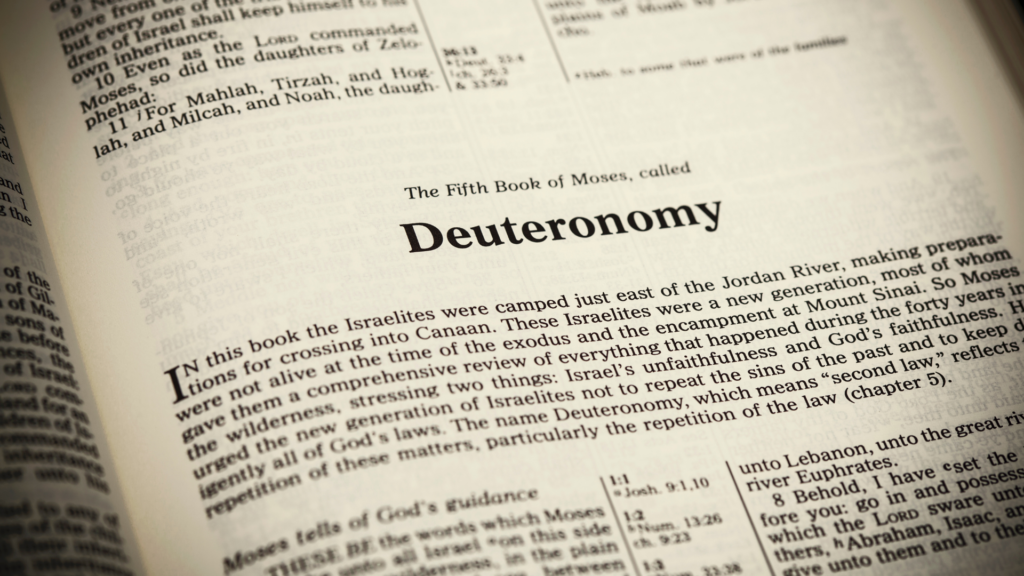
The Ten Commandments given in Exodus 20 are reiterated in Deuteronomy 5:6-22 as Moses prepares the Israelites to enter the Promised Land.
This retelling emphasizes the importance of obedience to God’s law and reinforces the covenant made at Mount Sinai, showing the continuity of God’s instructions for a faithful life.
Hebrews
The faith of Moses, described in Exodus, is celebrated in the New Testament as part of a larger narrative of faith.
In Hebrews 11:24-29, Moses’ leadership during the Exodus and his faith in God’s promises are highlighted as examples of trust in God’s greater plan, providing a New Testament perspective on the significance of the Exodus.
Exodus Bible study guide: Exploring related themes

Exodus addresses themes that help you understand God’s plan for His people, both in ancient Israel and in the context of the broader biblical narrative.
Deliverance
The theme of deliverance, central to the Exodus narrative, appears in many other parts of the Bible. Exodus portrays God’s powerful hand in freeing Israel from Egypt, which parallels later acts of divine deliverance, such as the return from exile in Isaiah 43:16-19.
In the New Testament, the theme culminates in the ultimate deliverance from sin through Jesus Christ, as seen in Colossians 1:13-14, where believers are described as being rescued from the dominion of darkness.
Covenant

The covenant between God and Israel formalized at Mount Sinai in Exodus 19-20, is echoed throughout Scripture. In Jeremiah 31:31-34, God speaks of a new covenant that will be written on the hearts of His people, indicating the transformation from external adherence to internal devotion.
In the New Testament, this covenant is fulfilled through Christ, as mentioned in Luke 22:20, where Jesus establishes the new covenant in His blood.
Worship
The theme of worship, particularly in the construction of the Tabernacle in Exodus 25-31, highlights God’s desire for a dwelling place among His people. This idea of sacred space and divine presence continues in 1 Kings 8:27-30, where Solomon prays at the dedication of the Temple.
In the New Testament, worship takes on a personal and spiritual dimension, as described in John 4:23-24, where Jesus speaks of true worshipers who worship the Father in spirit and truth.
Exodus Bible study guide: Addressing common misconceptions

Some passages in Exodus have been misunderstood over time, leading to confusion about their true message. I provide clarity to help you grasp their significance for your faith journey.
Exodus is only about laws and commandments
A common misunderstanding is that the Book of Exodus is focused on laws, making it seem overly legalistic and burdensome. While it does contain various laws, the essence of Exodus goes beyond legalism—it reveals God’s covenant relationship with His people.
These laws are not mere regulations but expressions of His desire for Israel to live in harmony with His will. The commandments were intended to guide the Israelites towards holiness, as seen in the reminder that they are a chosen people (Exodus 19).
The golden calf incident is fully resolved after Moses’ intervention

Many believe that the golden calf incident, where the Israelites built and worshipped an idol in Moses’ absence, was completely resolved when Moses destroyed the calf and the tablets (Exodus 32).
However, the consequences of this rebellion had far-reaching effects. God’s judgment extended beyond that moment, highlighting the seriousness of idolatry and the Israelites’ need for continual repentance and faithfulness. This shows that sin has lingering consequences, even after forgiveness is sought.
The Tabernacle is only a place for worship and sacrifices

The Tabernacle described in Exodus is often seen as a site for sacrifices. While the Tabernacle did serve a central role in Israel’s worship practices, its deeper significance lies in being a physical manifestation of God’s desire to dwell among His people (Exodus 25).
The Tabernacle was a symbol of God’s presence, reminding Israel that He was near and accessible. This misconception overlooks the relational aspect of the Tabernacle, which pointed forward to the ultimate indwelling of God with humanity.
The commandments in Exodus were meant only for Israel

Some think that the laws given in Exodus were solely for the ancient Israelites and have no relevance to Christians today. While certain ceremonial laws were specific to Israel’s covenantal relationship, the moral principles embedded in these laws still resonate today.
For instance, the Ten Commandments (Exodus 20) reflect timeless values such as honoring God, respecting others, and living justly. These foundational principles are echoed in Jesus’ teachings, demonstrating their ongoing relevance.
God is portrayed as wrathful in Exodus

Another misconception is that Exodus portrays God as a figure of wrath, constantly punishing Israel for their disobedience. While God does judge sin, the book also reveals His mercy, patience, and covenant love.
His willingness to renew the covenant with Israel after their repeated failures, as seen when He gave Moses new tablets after the golden calf incident (Exodus 34), demonstrates His enduring grace.
God’s character is consistently portrayed as just yet merciful, offering redemption and restoration to His people.
Exodus Bible study questions

These thought-provoking questions provide a rich opportunity for individual reflection and group discussion.
Questions for individual reflection
Q1: How does the oppression faced by the Israelites in Egypt resonate with or parallel challenges you have encountered in your own life?
Q2: In what ways can you identify with Moses’ journey of discovery, from his early years to his profound encounters with God?
Q3: Reflect on a moment in your life where you felt a strong call or leading from God. How did you respond, and what similarities can you draw with Moses’ response to the burning bush?
Q4: Consider the Ten Plagues as symbolic expressions of God’s power and judgment. How do you see God’s sovereignty reflected in challenging situations you’ve faced?
Q5: In your own spiritual journey, what significance do covenants play? How has God established and renewed covenants with you?
Q6: Reflect on the role of rituals and worship in your faith. How does your worship reflect the reverence and commitment seen in the construction of the Tabernacle?
Q7: In what ways have you experienced God’s presence amid challenges or uncertainties, comparable to the cloud of glory guiding the Israelites through the wilderness?
Q8: Consider a time when you faced leadership challenges or responsibilities. How did you navigate these, and what lessons can be drawn from Moses’ leadership journey?
Q9: How do the Ten Commandments guide your moral and ethical decision-making? In what areas of your life do you find alignment or struggle with these principles?
Q10: As you contemplate the Israelites’ journey towards the Promised Land, what parallels can you draw with your own spiritual journey towards God’s promises and purposes?
Exodus Bible study guide: Group discussion questions

Q1: How do you interpret the significance of God revealing His name, “I AM WHO I AM,” to Moses? How does this revelation impact your understanding of God’s nature?
Q2: Explore the symbolism behind the construction of the Tabernacle. How does this portable sanctuary mirror the concept of God dwelling among His people in today’s context?
Q3: Discuss the implications of God’s command to observe the Passover. How does the symbolism of the Passover lamb resonate with Christian beliefs about Jesus as the Lamb of God?
Q4: Consider the role of intercession in Moses’ relationship with God. How does his pleading for the Israelites reflect the principles of prayer and intercession in your own faith?
Q5: Explore the tensions and lessons arising from the Israelites’ repeated cycles of faithfulness and disobedience. How do these patterns mirror your own spiritual journey?
Q6: Delve into the narrative of the golden calf and the subsequent consequences. What lessons can be drawn regarding the dangers of idolatry and the importance of steadfast faith?
Q7: Discuss the significance of God’s guidance through the pillar of cloud and fire. How does this imagery speak to the concept of divine guidance in your life?
Q8: Reflect on the role of leadership in the Exodus narrative, examining both Moses’ leadership and the challenges faced by the elders and people. How does this inform your understanding of effective leadership in a spiritual context?
Q9: Consider the establishment of the covenant at Mount Sinai. How does this covenantal relationship impact your understanding of God’s expectations and your commitment to Him?
Q10: Reflect on the parallels between the Israelites’ journey to the Promised Land and your own spiritual journey. What obstacles and victories do you share with the Israelites?
Start exploring Exodus today
Whether you are reading Exodus for the first time or revisiting its familiar passages, I encourage you to explore individual chapters through dedicated Bible studies. Each chapter provides unique perspectives on God’s character, His redemptive plan, and the complexities of human faith.

I’m a devoted follower of Christ on a journey to share the profound love, faith, and hope found in our Savior. Through my writings, I aim to inspire, uplift, and encourage fellow believers as we walk together in God’s light. Join me in exploring the beauty of faith and discovering the richness of a life rooted in Christ.


