

What can a book filled with census records, laws, and wilderness wanderings teach us about faith and obedience? The Book of Numbers, often overlooked, offers powerful insights into God’s guidance, human frailty, and the consequences of disbelief. This Bible study guide unpacks Numbers rich lessons, helping you discover how this ancient text remains relevant in navigating life’s challenges today.
Numbers Bible study guide: Brief overview
The Book of Numbers, the fourth book of the Pentateuch in the Bible, derives its name from the two censuses conducted among the Israelites at the beginning and near the end of their 40-year journey in the wilderness.
The narrative covers the period of Israel’s journey from Mount Sinai to the Promised Land. Numbers highlights themes of obedience, faith, and the consequences of rebellion.
It serves as a record of the Israelites’ journey, revealing both their struggles and God’s faithfulness, as well as providing insights into the divine laws and principles governing their covenant relationship. Here is a summary of Numbers:
| Aspect | Details |
|---|---|
| Author | Moses. |
| Date of writing | Approximately 1440–1400 BC. |
| Purpose | To document the Israelites’ journey from Mount Sinai to the Promised Land and highlight the consequences of disobedience and rebellion against God. |
| Recipients | The Israelites, specifically the generation preparing to enter the Promised Land. |
| Historical context | Written during the Israelites’ 40 years of wandering in the wilderness after their exodus from Egypt. Numbers covers their journey from Mount Sinai to the plains of Moab. |
| Key themes | Obedience and rebellion, God’s faithfulness, leadership, the consequences of disobedience, and the holiness of God and the necessity of consecration. |
| Notable verses | Numbers 6:24–26, 13:27–33, 14:22–23, 20:10–12, 21:8–9, 23:19. |
| Application for today | Emphasizes that obedience to God’s commands is vital, and disobedience leads to consequences, God remains faithful, even when humans fall short, and leadership requires reliance on God, as seen through Moses’ life. |
Importance of studying Numbers
Studying the Book of Numbers is essential for understanding the relationship between God and His people during a time of testing and wandering.
It highlights themes of obedience, faith, leadership, and trust in God’s promises. Numbers also serves as a cautionary tale, showing the dangers of disobedience and unbelief, while at the same time showcasing God’s patience and mercy.
It helps modern believers see the value of trusting in God’s direction, even when the path seems difficult or uncertain. The Book of Numbers holds a profound significance in biblical texts, extending beyond mere quantities.
Throughout the Scriptures, numbers are used symbolically, representing spiritual truths, divine patterns, and conveying deeper meanings within the narrative.
Purpose of the Numbers Bible study guide
This guide aims to unravel the numerical symbolism in the Bible, providing you with a comprehensive tool to explore the hidden meanings behind various numbers.
It offers a structured approach to understanding the key themes, events, and lessons in the Book of Numbers. The guide seeks to help you grow in your faith by seeing how God’s dealings with Israel can apply to your own spiritual journey.
The study guide breaks down complex events, provides historical and cultural context, and draws connections between the narrative and contemporary Christian life.
By delving into the numerical patterns, you gain a deeper understanding of God’s message and the divine order embedded in the Scriptures. Ultimately, the guide encourages you to reflect on your own obedience and trust in God’s guidance.
Numbers Bible study guide: Background information
The Book of Numbers serves as both a historical account and a theological reflection on the relationship between God and His people during their wilderness journey.
Historical context
The events in the Book of Numbers take place during Israel’s 40-year wandering in the wilderness, beginning at Mount Sinai, where the Israelites received the Law, and ending just before their entrance into the Promised Land (Canaan).
This period is estimated to have occurred around 1446–1406 BC, following their Exodus from Egypt. The historical setting of Numbers reflects the transition of Israel from a slave people to a nation preparing to establish itself in Canaan.
The census-taking, military organization, and legal instructions are all preparations for life in the Promised Land. The narrative also highlights key events such as the Israelites’ rebellion, their punishment, and the rise of the new generation that would enter the land.
Cultural context

The cultural context of Numbers reflects a nomadic, tribal society in the Ancient Near East. The Israelites are depicted as a people on a journey, traveling as a large, organized camp.
Each tribe had its designated place in the encampment, and the Levites were set apart for priestly duties, which underscores the importance of religious and ritual purity.
The Israelites’ identity was rooted in their covenant with God, and much of their cultural practices—sacrifices, observance of the Law, and purity regulations—were designed to maintain their relationship with God and distinguish them from surrounding nations.
The book also includes interactions with other peoples, such as the Edomites, Moabites, and Midianites, giving insight into Israel’s relations with neighboring cultures and their understanding of divine protection and warfare.
Authorship and date of writing

Traditionally, Moses is regarded as the author of the Book of Numbers, as well as the other four books of the Pentateuch (Genesis, Exodus, Leviticus, and Deuteronomy). Mosaic authorship is supported by internal references within the text and by Jewish and Christian tradition.
However, modern scholarship has debated the idea of single authorship, suggesting that the text may have undergone redaction and compilation from various sources over time.
The date of writing is linked to when Moses lived, which is placed around the 15th century BC, though some scholars propose a later date (13th century BC) based on different interpretations of the historical timeline of the Exodus.
Despite these debates, the core of the book remains a reflection of Israel’s journey during the wilderness period, shaped by Mosaic law and leadership.
Numbers Bible study guide: Structure of the book

The structure of the Book of Numbers includes historical recounting, law-giving, and theological insights, making it both a legal and narrative work.
Division into chapters
Numbers is divided into distinct sections based on the events and themes that unfold during Israel’s journey through the wilderness.
Each section highlights different aspects of the nation’s relationship with God, from their preparation for the journey to their rebellion and eventual movement toward the Promised Land.
| Section | Chapters |
|---|---|
| Preparations for the journey | 1–10 |
| Journey from Sinai to Kadesh | 11–14 |
| Wandering in the wilderness | 15–19 |
| Events on the way to Moab | 20–25 |
| The second census and final instructions | 26–36 |
Literary style

The Book of Numbers blends various literary genres, from genealogical records to vivid narrative accounts.
- Census lists: Repeated censuses of the Israelites provide structured, ordered data, emphasizing the importance of the nation’s composition and organization.
- Narrative sections: Vivid stories of rebellion, divine punishment, and deliverance create a dramatic tone throughout the book. These narratives are often interspersed with divine commands.
- Speeches of God: God frequently speaks directly to Moses, giving the book a prophetic tone. These divine speeches are often instructive and prescriptive.
- Laws and regulations: Like Leviticus, Numbers contains numerous laws, many of which pertain to the priesthood, ritual cleanliness, and community order.
- Journey motif: The progression from Sinai to the Promised Land acts as a literary framework, with key transitions marked by journey episodes.
- Poetry and oracles: The book features poetic blessings and oracles, particularly Balaam’s prophecies (Numbers 23–24), which contrast with the more structured census lists and laws.
Numbers Bible study guide: Foundation of numerical symbolism

Numerical symbolism is a profound aspect of biblical literature that goes beyond mere quantities, offering deeper meaning and insight hidden within biblical texts.
Understanding the cultural and historical context
Understanding the foundation of numerical symbolism requires exploring both cultural and historical contexts and examining key biblical passages where numbers carry significant weight.
Ancient numerology and symbolism
- Delves into ancient cultures revealing a pervasive use of numbers as symbols. From Mesopotamia to Egypt, numbers held mystical and symbolic meanings, reflecting cosmic order and divine influence.
- Numerology, the belief in a mystical connection between numbers and events, played a crucial role in ancient societies, shaping religious rituals, royal decisions, and societal structures.
Numerical patterns in ancient cultures

- Recognizing numerical patterns helps decipher the ancient mindset. For instance, the significance of certain prime numbers, geometric shapes, and ratios can be found in architectural designs, religious rituals, and mythological narratives.
- Studying these patterns allows us to appreciate the broader cultural and historical context in which biblical numerology emerged.
Explanation of the significance of Numbers in a biblical context
Numbers in the Bible are not arbitrary; they are deliberate and carry a deeper meaning. From the creation account to prophetic visions, each number holds symbolic weight, offering insights into the divine plan, spiritual truths, and the interconnectedness of biblical narratives.
This guide seeks to illuminate these symbolic meanings, fostering a more profound appreciation for the numerical aspects of the Scriptures.
Numbers Bible study guide: Key passages highlighting numerical significance

The Bible contains numerical symbolism with specific numbers carrying profound meanings. Exploring key biblical passages provides insights into the intentional use of numbers in conveying spiritual truths.
Genesis 1:1 and the significance of the number one
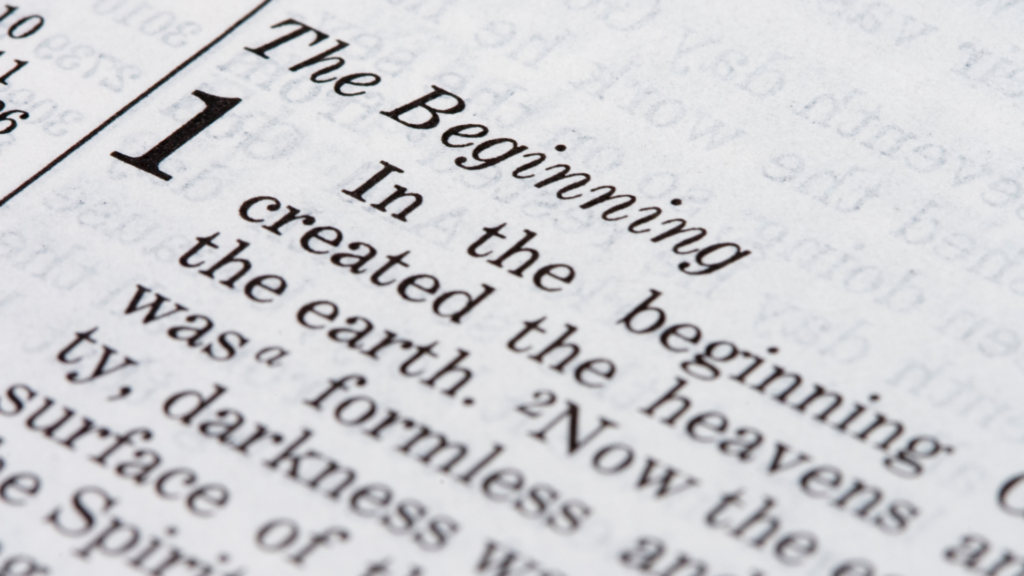
In the very beginning, Genesis 1:1 declares, “In the beginning, God created the heavens and the earth.” The singularity of the number one emphasizes the absolute unity and uniqueness of God as the Creator.
This foundational verse sets the stage for understanding the divine authority and singular origin of all creation.
The significance of the number seven in biblical creation

Throughout Genesis 1, the repeated use of the seventh day as a day of rest signifies completion and perfection.
The concept of the Sabbath, a weekly day of rest, emphasizes the divine order inherent in creation and underscores the importance of cycles and rhythms in biblical numerology.
The significance of the number forty in biblical testing and trial

The number forty appears prominently in various biblical narratives, symbolizing a period of testing, trial, or preparation. For example, the forty days and nights of rain during the flood in Genesis 7 and Moses’ forty days on Mount Sinai.
This number reinforces the idea of a transformative process, emphasizing spiritual purification and readiness for a new phase.
Other prominent numbers in the Bible (e.g., twelve, twenty-four)

The number twelve symbolizes completeness and governance, as seen in the twelve tribes of Israel, the twelve apostles, and the twelve gates in the New Jerusalem.
Twenty-four appears in the context of the twenty-four elders around the throne in Revelation, signifying a representative and complete worship of God in heaven.
Understanding these numerical foundations enhances your appreciation of the intentional symbolism woven into the biblical narratives. These numbers serve as signposts, guiding believers to deeper spiritual truths and revealing the divine order embedded in the sacred text.
Numbers Bible study guide: Numbers in biblical narratives
Numbers play an important role in biblical narratives, extending beyond quantification to convey symbolic and spiritual meanings. Examining specific stories and numerical patterns enhances your understanding of the divine messages found in the Scripture.
Examining specific stories where numbers play a crucial role
Certain biblical narratives use numbers with intentional significance, illuminating deeper truths about God’s plan and the spiritual journey of His people.
The significance of 40 days and nights in the flood narrative

In the story of Noah’s Ark and the Great Flood (Genesis 7-8), the number forty recurs prominently. Rain falls for 40 days and nights, symbolizing a period of testing, purification, and divine judgment.
This motif of 40 days links the narrative to other biblical events involving trials and preparation, emphasizing the transformative nature of the flood account.
Twelve tribes of Israel and their symbolic representation
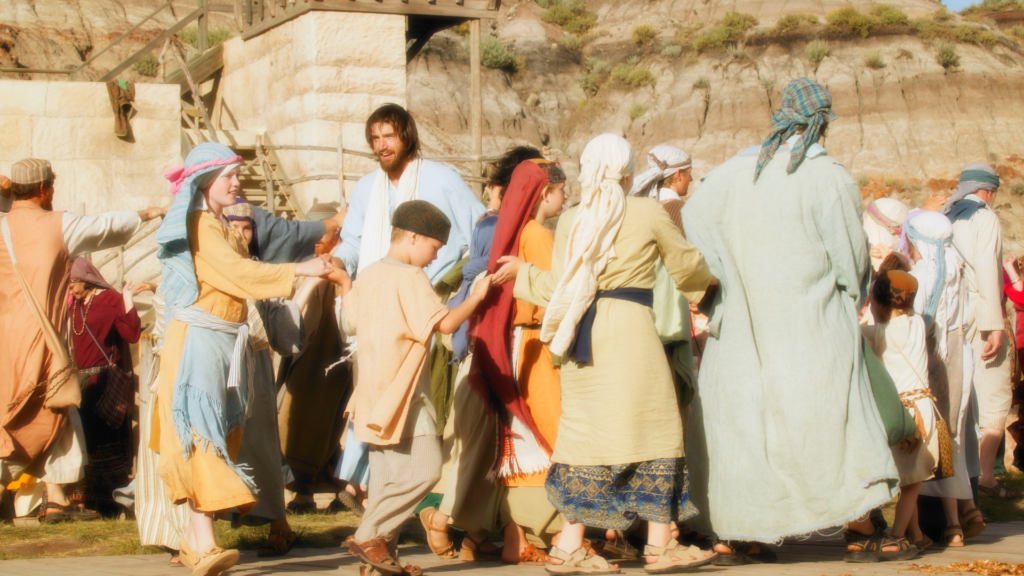
The division of Israel into twelve tribes, each descended from one of Jacob’s sons, carries symbolic weight. The number twelve represents completeness and governance in biblical numerology.
Each tribe has a unique role and identity, contributing to the overarching narrative of God’s covenant people. The concept of twelve continues in the New Testament with the twelve apostles.
Jesus and the use of numbers in parables
Jesus often incorporated numerical symbolism into His parables to convey spiritual truths. For instance, the parable of the lost sheep (Luke 15:4-7) highlights the significance of one, emphasizing the value of each individual in God’s eyes.
The use of specific numbers, such as ten virgins in the parable of the ten virgins (Matthew 25:1-13), adds layers of meaning, illustrating lessons about preparedness and the Kingdom of Heaven.
Numerical patterns in prophetic visions and dreams

Prophetic visions and dreams in the Bible frequently use numerical symbolism, offering insights into the divine plan and the unfolding of eschatological events.
The use of numbers in the Book of Daniel
The Book of Daniel is rich in numerical symbolism, with specific numbers playing key roles in prophetic visions. For instance, the “seventy weeks” prophecy (Daniel 9:24-27) involves a complex interpretation of time, highlighting the unfolding of God’s redemptive plan.
The use of numbers in Daniel underscores themes of divine sovereignty, judgment, and the ultimate triumph of God’s Kingdom.
Revelation’s symbolic numbers and their interpretations

The Book of Revelation is renowned for its extensive use of symbolic numbers. Seven, for example, represents completeness and perfection. The seven seals, trumpets, and bowls depict God’s unfolding judgment and redemption.
Other numbers, such as twelve (representing the completeness of God’s people) and one thousand (symbolizing completeness and abundance), contribute to Revelation’s apocalyptic visions.
In exploring these biblical narratives and prophetic visions, the intentional use of numbers emerges as a powerful tool for conveying spiritual truths, emphasizing divine patterns, and revealing the intricacies of God’s plan for humanity.
Numbers Bible study guide: Mathematical patterns and symmetry

Beyond the surface narrative, the Bible reveals a depth of mathematical patterns and symmetry that captivate scholars and readers alike. Examining these mathematical aspects provides a unique perspective on the precision and order within biblical texts.
Identifying mathematical structures in biblical texts
The presence of mathematical structures in the Bible, particularly in genealogies and timelines, underscores the nature of divine revelation.
Numeric patterns in genealogies and timelines
Genealogies in the Bible are not just lists of names but often contain intricate numerical patterns. The numerical values associated with names, the ages of individuals, and the spans of generations convey symbolic meanings.
For instance, the genealogy in Genesis 5, detailing the descendants from Adam to Noah, showcases a repetitive pattern of ages and lifespans, highlighting the precision of God’s plan through the ages.
Symmetry in numerical sequences and their implications

Numerical symmetry, where patterns exhibit balance and proportion, is discernible in various biblical contexts. This symmetry may involve mirrored structures or intentional repetitions of numerical sequences.
The significance of numerical symmetry goes beyond mere aesthetics; it suggests a deliberate design, emphasizing divine order and purpose in the unfolding narrative.
Mathematical codes and hidden meanings
The exploration of mathematical codes and hidden meanings in the Bible has intrigued scholars, leading to diverse theories, critiques, and controversies.
Examining theories about numerical codes in the Bible
Some scholars propose that the Bible contains hidden codes or cryptic numerical messages that reveal a deeper meaning. One notable example is the study of gematria, an ancient Jewish practice associating numerical values with letters in the Hebrew alphabet.
The idea is that certain words or phrases with equivalent numerical values may convey hidden connections or insights. This approach is particularly associated with the study of the Hebrew Bible.
Critiques and controversies surrounding numerical interpretations

While some find numerical codes intriguing, others approach them with skepticism. Critics argue that interpretations of numerical patterns may be subjective and susceptible to confirmation bias.
Controversies arise when attempts to find hidden codes lead to divergent conclusions, with different scholars proposing conflicting interpretations of the same numerical data. It raises questions about the validity and objectivity of such analyses.
Whether exploring numeric patterns in genealogies or contemplating the possibility of hidden codes, these aspects add layers of complexity to the study of the Bible, inviting reflection on the depth of divine revelation and God’s communication with humanity.
Numbers Bible study guide: Key themes

The themes in Numbers illustrate the challenges of living in obedience to God’s commands while also showing His steadfast commitment to His people.
Here are the key themes and notable verses of the Book of Numbers.
| Key themes | Notable verses |
|---|---|
| Israel’s journey from Sinai to the Promised Land | Numbers 1:1-4:49: Census and organization of tribes |
| God’s guidance and provision | Numbers 6:22-27: The priestly blessing |
| Consequences of disobedience and rebellion | Numbers 14:1-38: Israel’s rebellion and consequences |
| Census and organization of the Israelites | Numbers 9:15-23: The cloud and the Tabernacle |
| Priestly duties and responsibilities | Numbers 18:20-24: The Levites’ inheritance |
| Importance of faith and trust in God’s guidance | Numbers 20:1-13: Moses’ striking of the rock |
| Consequences of complaining and ungratefulness | Numbers 21:4-9: Bronze snake and healing |
| Balaam’s prophecies and blessings | Numbers 22-24: Balaam’s prophecies |
| Commissioning the next generation | Numbers 27:12-23: Joshua commissioned to lead |
| Cities of refuge established | Numbers 35:9-34: Cities of refuge |
God’s guidance and presence
A central theme in Numbers is God’s faithful guidance of His people. The cloud by day and the fire by night (Numbers 9:15-23) symbolize God’s presence and leadership.
Despite Israel’s disobedience, God never abandons them. His constant direction toward the Promised Land exemplifies His unchanging faithfulness, even when His people fail.
Rebellion and disobedience

The recurring disobedience of the Israelites is another key theme. From grumbling over food (Numbers 11) to the outright rebellion at Kadesh Barnea (Numbers 14), Israel’s failure to trust God results in severe consequences.
Their refusal to enter the Promised Land leads to forty years of wandering. These rebellions demonstrate the destructive power of unbelief and disobedience.
God’s judgment and mercy
Numbers portrays both the justice and mercy of God. He punishes rebellion and sin, as seen in the deaths of those who opposed Moses (Numbers 16) and the plague in response to idolatry (Numbers 25).
Yet, God’s mercy is evident in His forgiveness and continued provision for His people, including raising up new leaders like Joshua and Caleb, who remained faithful (Numbers 14:24, 26:65).
Leadership and authority

Moses’ leadership is constantly tested throughout Numbers, and the theme of divine leadership emerges.
Aaron, Miriam, and Korah challenge Moses’ authority (Numbers 12, 16), but God reaffirms His choice of Moses. This theme stresses the importance of respecting God-ordained leadership and authority.
Holiness and purity
The laws of cleanliness, ritual sacrifices, and offerings (Numbers 5-7) emphasize the theme of holiness. God’s people are to be set apart from other nations, reflecting His holy character.
The Nazirite vow (Numbers 6) is a prime example of the call to personal holiness and devotion to God.
Promise and covenant

The Promised Land represents God’s covenantal promise to Abraham, Isaac, and Jacob. Despite Israel’s failures, God’s covenant endures.
Numbers reaffirms that God’s promises are irrevocable, even in the face of human weakness. His faithfulness to bring His people into the land serves as a powerful reminder of His unbreakable covenant.
Numbers Bible study guide: Key characters

The characters in Numbers play pivotal roles in the journey of the Israelites, shaping the events of the wilderness years and serving as examples of faith, rebellion, leadership, and divine judgment.
Moses
Moses is the central figure throughout Numbers, acting as a mediator between God and Israel. He leads the people, often interceding on their behalf when they rebel, and faithfully delivers God’s instructions.
Despite his overall faithfulness, Moses’ own disobedience at Meribah results in him being denied entry into the Promised Land (Numbers 20:10-12).
Aaron

As the high priest, Aaron is responsible for the priestly duties and offerings of the Israelites. He plays a vital role in their worship, interceding for the people in times of rebellion.
Aaron’s death in Numbers 20 marks a significant transition for the priesthood and leadership of Israel.
Miriam
Miriam is a significant female leader among the Israelites. In Numbers 12, she challenges Moses’ authority alongside Aaron and is struck with leprosy as punishment.
After Moses prays for her, she is healed, but her challenge against God’s chosen leader results in her temporary exclusion from the camp.
Caleb

Caleb, along with Joshua, is one of the only spies who encourages the Israelites to trust God’s promise and take possession of the land.
His faithfulness is rewarded by God, and he is one of the two (along with Joshua) from the older generation allowed to enter Canaan (Numbers 14:24).
Joshua
Joshua, like Caleb, remains faithful when the other spies incite fear among the Israelites. His leadership qualities are already evident in Numbers, and he eventually succeeded Moses as the leader of Israel.
Joshua’s faith and trust in God ensure his survival and eventual role in leading the Israelites into the Promised Land.
Other characters

Here are other key figures whose actions, faith, or disobedience shaped the course of Israel’s history.
- Balaam: He is called upon by Balak, the king of Moab, to curse the Israelites. However, despite his intentions, Balaam is compelled by God to bless Israel instead. His story in Numbers 22-24 emphasizes God’s sovereignty and protection over His people, but Balaam’s later role in leading Israel into sin (Numbers 31:16) tarnishes his legacy.
- Balak: Seeks to weaken Israel by hiring Balaam to curse them. His fear of the Israelites’ growing power leads him to attempt to undermine them through spiritual manipulation, though his efforts are thwarted by God’s intervention.
- Eleazar: After Aaron’s death, Eleazar (son of Aaron) assumes the role of high priest. His leadership becomes increasingly prominent as he plays a key role in the distribution of the land (Numbers 34:17) and in the oversight of the offerings and priestly duties.
- Korah: Korah, along with Dathan, Abiram, and others, leads a revolt questioning Moses’ leadership and Aaron’s priestly authority. This rebellion results in God’s judgment, with the earth swallowing Korah and his followers (Numbers 16), serving as a warning against challenging God’s appointed leaders.
- Phinehas: Grandson of Aaron. He displays zeal for God when he stops a plague by executing an Israelite man and a Midianite woman who are flagrantly sinning. His actions earn him a covenant of peace from God and highlight his role as a key defender of Israel’s purity and faithfulness (Numbers 25:7-13).
Numbers Bible study guide: Key passages and their exegesis

These passages from Numbers offer timeless lessons about trust in God’s guidance and the consequences of rebellion.
Numbers 6:22-27
This passage contains the Aaronic Blessing, a profound and enduring benediction given to the priests to pronounce over the people. It is a pivotal moment that encapsulates God’s desire to bless and protect His people.
Each line of the blessing reflects a dimension of divine favor: protection (“The Lord bless you and keep you”), grace (“The Lord make his face shine on you and be gracious to you”), and peace (“The Lord turn his face toward you and give you peace”).
The repetition of the Lord’s name underscores the personal and covenantal relationship between God and Israel. This blessing serves as a reminder of God’s continual presence and favor, encouraging the Israelites as they prepare to enter the Promised Land.
Numbers 11:4-6

This passage highlights a significant moment of discontent among the Israelites. The “rabble” (non-Israelites who had joined the Israelites) and the Israelites themselves complain about the monotonous diet of manna, expressing nostalgia for the variety of food in Egypt.
This dissatisfaction reveals a lack of trust in God’s provision and a longing for the past, despite the hardships they faced in Egypt.
The complaint reflects a broader theme of rebellion and ingratitude that recurs throughout the journey. It also sets the stage for God’s response to the discontent, which results in the provision of quail but also further judgment for their lack of faith.
Numbers 12:1-10

In this passage, Miriam and Aaron challenge Moses’ leadership, questioning his exclusive role as God’s spokesperson.
Their dissent underscores the theme of authority and leadership within the community. God’s response is immediate and severe: He defends Moses by emphasizing his unique and intimate relationship with Him, which is distinct from that of other prophets.
Miriam’s punishment of leprosy serves as a dramatic demonstration of the seriousness of speaking against God’s chosen leader.
This incident reinforces the concept of divine authority and the consequences of undermining it, while also highlighting Moses’ unparalleled role in the covenantal relationship.
Numbers 14:1-4
This passage captures the climax of Israel’s discontent and rebellion. The Israelites, upon hearing the negative report from the spies about the Promised Land, express their frustration and desire to return to Egypt.
Their complaints reflect a profound lack of faith in God’s promises and a readiness to forsake their journey in favor of returning to a known but oppressive past.
The desire to appoint a new leader and return to Egypt signifies a complete breakdown of trust and obedience. God’s response to this rebellion is a pronouncement of judgment, which includes a decree that the current generation will not enter the Promised Land.
This episode underscores the gravity of faithfulness and obedience in the covenant relationship.
Numbers Bible study guide: Relevant cross-references

These cross-references highlight the continuity of biblical narratives and theology, showing how the lessons from Numbers are interwoven throughout Scripture.
Comparing Numbers with other biblical passages
The stories and events in the Book of Numbers resonate throughout Scripture, serving as both a historical record and a spiritual lesson.
Exodus
Both Numbers and Exodus recount the Israelites’ experience of divine provision in the wilderness. In Exodus 16:1-3, the Israelites grumble about the lack of food shortly after their exodus from Egypt.
This sets the stage for God providing manna and quail, an event later referenced in Numbers during the continued complaints about food, revealing a recurring theme of human dissatisfaction despite God’s care.
Deuteronomy
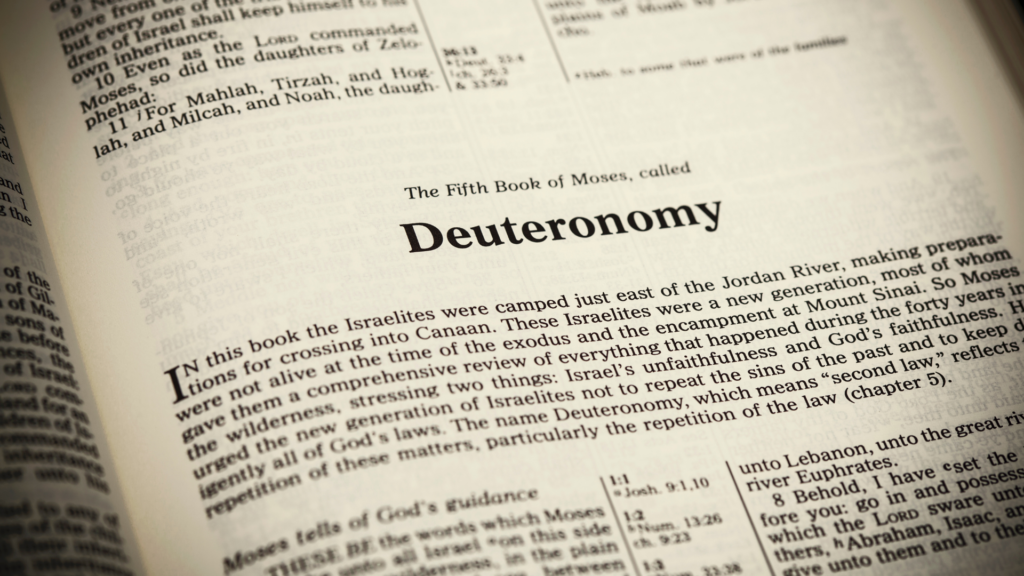
Deuteronomy revisits many of the key events in Numbers, particularly the sending of spies into Canaan. The recounting in Deuteronomy 1:19-33 emphasizes the lessons learned from the Israelites’ rebellion and the consequences of their lack of faith.
Deuteronomy underscores how the events in Numbers serve as a warning to the next generation about obedience and trust in God’s promises.
1 Corinthians
In 1 Corinthians 10:1-11, Paul draws on the stories in Numbers to offer a warning to the early Christian church. He highlights the Israelites’ disobedience and idolatry, using their failures as an example to teach the importance of faithfulness.
Paul’s reference shows how the lessons from Israel’s wilderness journey continue to carry spiritual weight for believers.
Numbers Bible study guide: Exploring related themes

Numbers addresses themes that are echoed throughout the Bible. These themes connect the experiences of the Israelites in the wilderness to the spiritual truths that shape both the Old and New Testaments.
God’s faithfulness despite human failure
The Book of Numbers repeatedly demonstrates God’s faithfulness, even in the face of Israel’s rebellion and doubt. This theme is echoed throughout the Bible, particularly in Lamentations 3:22-23, where God’s mercies are described as new every morning despite human shortcomings.
This theme also appears in Romans 3:3, where Paul reminds believers that human unfaithfulness does not nullify God’s faithfulness.
The importance of obedience to God

Numbers places a heavy emphasis on obedience to God’s commandments, a theme reinforced in Joshua 1:7-8. After the events of Numbers, Joshua is instructed to carefully follow the law to prosper in his mission.
Similarly, in 1 Samuel 15:22, obedience is declared better than sacrifice, reinforcing the need for wholehearted devotion to God’s will.
God’s guidance through difficult journeys
The Israelites’ journey through the wilderness under God’s guidance in Numbers parallels other biblical instances of divine direction through hardship.
Proverbs 3:5-6 encourages believers to trust in God for guidance, while Psalm 23:1-4 metaphorically depicts God as a shepherd who leads His people through challenging times, just as He did for Israel in the wilderness.
Numbers Bible study guide: Addressing common misconceptions

Numbers rich spiritual lessons and theological insights are often misunderstood. I provide clarity backed by relevant Scriptures.
The book is just a record of numbers
A common misunderstanding is that the Book of Numbers is purely a record of censuses and numerical data about the Israelites.
While the title comes from the census taken at the beginning and near the end of the book, its content is far more than a list of numbers. The book recounts the journey of the Israelites through the wilderness, their rebellion, and God’s continued faithfulness.
The censuses found in chapters 1 and 26 serve as a way to demonstrate God’s order and preparation for entering the Promised Land.
But more significantly, Numbers narrates Israel’s journey from Mount Sinai to the plains of Moab and highlights their struggles with faith and obedience.
The spies’ report was negative

Another misconception is that the spies sent into the Promised Land in Numbers 13 only returned with negative news. In fact, the spies gave a mixed report.
They acknowledged the richness of the land (Numbers 13:27), but most of them focused on the strength of its inhabitants and cities, which led to fear and doubt.
However, two spies, Joshua and Caleb, urged the people to trust God’s promise and move forward in faith (Numbers 13:30).
The key issue was not the report itself but the people’s reaction to it. Their lack of faith, despite God’s promises, led to a negative outlook and resulted in their wandering in the desert for 40 years (Numbers 14:34).
God’s judgment was too harsh on Israel

Some believe that God’s judgment on Israel, especially in Numbers 14, where the older generation was condemned to die in the wilderness, was too harsh.
However, this fails to recognize the gravity of Israel’s rebellion. Throughout their journey, the Israelites repeatedly tested God’s patience, questioning His goodness and promises despite witnessing miracles like the parting of the Red Sea and receiving manna from heaven.
Their refusal to trust God’s provision and their desire to return to Egypt (Numbers 14:2-4) reflected a deep spiritual issue of unbelief.
God’s judgment was not arbitrary but a response to their ongoing disobedience and lack of faith. His actions served to purify the nation and prepare the next generation for entering the Promised Land.
Moses’ exclusion from the Promised Land was unjustified

Another common misunderstanding is that Moses’ exclusion from the Promised Land (Numbers 20:12) was unfair or too harsh.
Moses, who faithfully led Israel for many years, struck the rock to bring forth water instead of speaking to it as God commanded. This act, though seemingly small, was a serious breach of trust and disobedience.
Moses’ action dishonored God by making it appear as though the miracle came through Moses’ own power. God took this opportunity to demonstrate that even leaders must obey Him fully.
Moses’ exclusion from the land was a consequence of this act of disobedience, highlighting the importance of complete obedience to God’s instructions.
The bronze serpent was an Idol
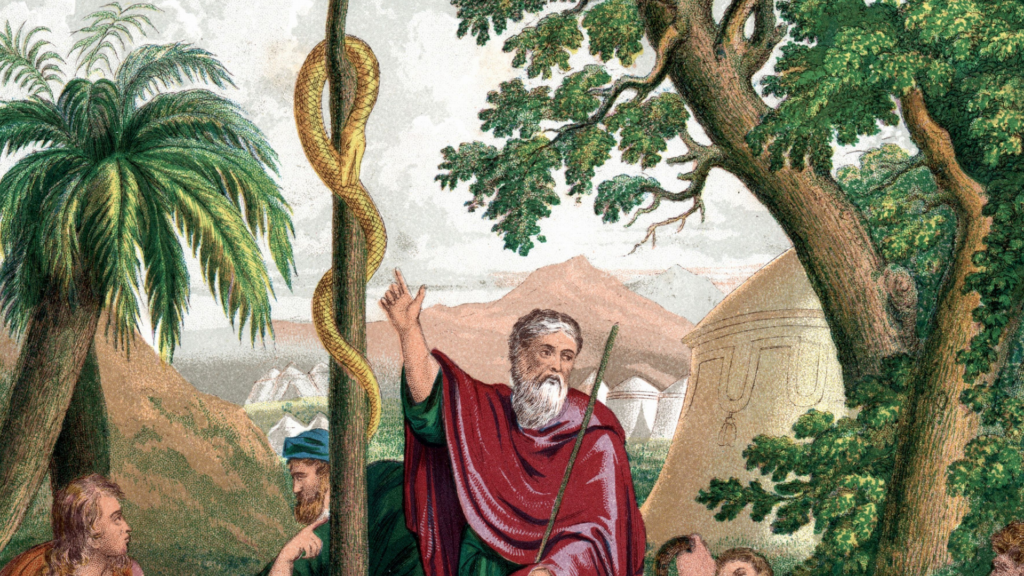
Some interpret the bronze serpent that Moses lifted in the wilderness (Numbers 21:8-9) as an idol that the Israelites worshipped.
However, this view misunderstands the true purpose of the bronze serpent. It was not an object of worship but a symbol of God’s provision and healing.
When the Israelites were bitten by venomous snakes, those who looked at the bronze serpent were healed by God’s grace, not by the serpent itself.
The New Testament later clarifies the significance of this event. In John 3:14-15, Jesus compares the bronze serpent to His own death on the cross, showing that just as the Israelites were healed by looking at the serpent, humanity is saved by looking to Christ in faith.
Numbers Bible study guide: Practical application

Applying the understanding of numerical symbolism in the Bible is more than an intellectual exercise—it’s a pathway to uncovering deeper spiritual insights and avoiding potential misinterpretations.
Developing a method for studying numbers in the Bible
To study numbers in the Bible effectively, a systematic approach is necessary. This involves utilizing specific tools and resources while following a structured method for interpretation.
Tools and resources for a comprehensive study
Utilizing concordances, lexicons, and Bible dictionaries can aid in understanding the original meanings of Hebrew and Greek words associated with numbers.
Reference materials on biblical numerology, historical contexts, and cultural practices also provide valuable background information.
Steps to interpret numerical symbolism in personal Bible study

- Contextual analysis: Consider the broader context of the passage to discern whether a number is used literally or symbolically. Historical, cultural, and literary contexts play crucial roles in interpretation.
- Repetition and patterns: Look for repeated numbers or patterns within a text. Consistent usage may indicate intentional symbolic meanings.
- Cross-reference: Compare how a specific number is used elsewhere in the Bible to identify recurring themes or associations.
- Consult commentaries: Engage with scholarly commentaries to gain insights from various theological perspectives.
Examples of how understanding numbers enhances biblical interpretation

Applying a deeper understanding of numerical symbolism enhances the interpretation of biblical passages, providing a richer comprehension of God’s message.
Gaining insights into the deeper meanings of biblical passages
In Genesis 22, the story of Abraham offering Isaac involves the number three—three days of journey, three days of waiting, and the third day when Abraham sees the place.
Recognizing the symbolism of the three enhances the narrative’s portrayal of testing, waiting, and divine provision.
The use of the number seven in the seven “I am” statements of Jesus in the Gospel of John reveals a pattern of completeness, emphasizing Jesus’ divine identity.
Avoiding misinterpretations and common pitfalls

- Literal vs. symbolic interpretation: Differentiate between literal and symbolic uses of numbers. For example, recognizing that the number 1,000 in Psalm 50:10 symbolizes abundance rather than a precise quantity prevents a narrow interpretation.
- Contextual relevance: Be cautious about imposing modern numerological interpretations onto ancient texts. Ensure that interpretations align with the cultural and historical context of the biblical narrative.
- Cultural sensitivity: Understand that certain numbers may carry different cultural connotations in biblical times. For instance, the number 40 signifying a period of testing and trial may not hold the same significance in contemporary contexts.
Numbers Bible study guide: Contemporary relevance

The exploration of numerical symbolism in the Bible isn’t confined to historical or theological discourse; it holds contemporary relevance, offering insights that resonate with modern faith.
Exploring how numerical symbolism applies to modern faith
As you navigate the complexities of contemporary faith, the exploration of numerical symbolism can provide a unique lens through which to understand and enrich your spiritual journey.
Integrating numerical insights into a personal spiritual walk
Recognizing numerical patterns and symbolism in biblical passages can deepen personal reflections on faith. For instance, understanding the significance of the number seven in the Bible may prompt contemplation on completeness, divine perfection, and the cycles of spiritual growth.
Integrating numerical insights can foster a more profound connection with biblical narratives, allowing you to discern deeper meaning beyond the literal text.
Understanding the relevance of ancient numerical concepts in today’s context

Ancient numerical concepts, such as using twelve to symbolize completeness and governance, remain relevant in contemporary spiritual contexts.
Considering the twelve apostles as symbolic representatives of the entire Christian community encourages a sense of unity and shared purpose.
The enduring relevance of the number forty, representing a period of testing and preparation, invites Christians to reflect on the transformative nature of challenges and trials in their personal faith journeys.
The exploration of numerical symbolism in the Bible offers a framework for understanding spiritual truths.
By integrating these insights into your faith journey and recognizing the relevance of ancient numerical concepts, you can find resonance between the wisdom of the past and the challenges and aspirations of the present.
Numbers Bible study questions

These questions aim to deepen your understanding, inviting individuals and groups to engage with the text in a thoughtful and introspective manner.
Questions for individual reflection
Q1: In the narrative of the Israelites’ journey through the wilderness, how do instances of complaining and disobedience relate to the challenges you face in your spiritual journey today?
Q2: Reflect on the concept of leadership in Numbers, particularly with Moses and Joshua. How can the principles of effective leadership gleaned from these narratives apply to modern leadership contexts?
Q3: Consider the significance of the Tabernacle and the priestly duties outlined in Numbers. How does the symbolism associated with the Tabernacle impact your understanding of worship and sacred spaces today?
Q4: In the story of Balaam’s prophecies, explore the themes of obedience and God’s sovereignty. How can this narrative inform your perspective on aligning your will with God’s will in contemporary life?
Q5: The Book of Numbers emphasizes the importance of faith and trust in God’s guidance. How can you cultivate and strengthen your faith amid life’s uncertainties and challenges?
Q6: Reflect on the role of the Levites and their inheritance as outlined in Numbers. How does this narrative prompt you to consider your responsibility and contribution within your community?
Q7: In the account of the spies exploring the Promised Land, explore the consequences of fear and lack of trust. How can you overcome fear and trust in God’s promises in your own decision-making process?
Q8: Delve into the symbolism of the number 40 in the Bible, particularly in the context of testing and trial. What personal reflections can you draw from the idea of a transformative period represented by the number 40?
Q9: Consider the significance of the Priestly Blessing in Numbers 6:22-27. How can this blessing shape your understanding of God’s desire for a relationship with His people and your role in extending blessings to others?
Q10: Reflect on the narrative of Miriam and Aaron speaking against Moses. How does this account address the consequences of jealousy and challenge you to examine your motive in relationships and collaborations?
Numbers Bible study guide: Group discussion questions

Q1: How do the various census-taking episodes in Numbers contribute to the overall structure and themes of the book? What patterns or insights emerge from these censuses?
Q2: Discuss the symbolism of the cloud and the Tabernacle in guiding the Israelites through the wilderness. How does God’s tangible presence impact their journey, and what parallels can we draw to our spiritual journeys today?
Q3: Explore the concept of inheritance and the cities of refuge in Numbers. How do these legal provisions contribute to the establishment of a just and compassionate society, and how can they inform our discussions on justice today?
Q4: In the context of the bronze snake and healing, discuss the interplay between faith, obedience, and God’s provision. How can this narrative inspire our approach to healing and restoration in various aspects of life?
Q5: Consider the narratives involving Korah’s rebellion and the roles of priests and Levites. How do these stories shape our understanding of divine order, authority, and accountability within a community?
Q6: Explore the concept of the Sabbath and its significance in the Book of Numbers. How does the Sabbath serve as a reminder of God’s creative power and a call to rest in our contemporary, fast-paced world?
Q7: Discuss the narrative of Moses striking the rock for water. What lessons can we draw from this account about the consequences of disobedience and the importance of following God’s instructions?
Q8: Reflect on the stories of the daughters of Zelophehad and their inheritance rights. How does this narrative challenge traditional notions of inheritance and gender roles, and what implications can it have for our discussions on equality?
Q9: Delve into the symbolic numbers in prophetic visions, such as those found in Daniel and Revelation. How do these numerical patterns contribute to the overall messages of these books, and how can they guide our understanding of eschatology?
Q10: Discuss the practical application of numerical symbolism in your personal faith journey. How can an awareness of biblical numerology influence your prayers, reflections, and interactions with others in your daily life?
Start exploring Numbers today
Embark on a deeper study of this biblical gem. Beyond the numerical patterns lie profound insights into God’s guidance, human nature, and the intricate divine order. I encourage you to engage in Bible studies focusing on individual chapters to unravel the deeper meaning embedded in each narrative.

I’m a devoted follower of Christ on a journey to share the profound love, faith, and hope found in our Savior. Through my writings, I aim to inspire, uplift, and encourage fellow believers as we walk together in God’s light. Join me in exploring the beauty of faith and discovering the richness of a life rooted in Christ.


