
Reading the Bible daily is an important routine for Christians seeking spiritual nourishment as it fosters a deeper connection with God. Yet, despite its impact, many find it challenging to establish and maintain this essential habit. I explore practical tips on how to read the Bible daily.
Why should you read your Bible daily?

Incorporating the practice of reading the Bible daily holds immense significance for your spiritual growth, emotional well-being, and mental clarity. Just like you need physical nourishment every day to stay healthy, your soul craves spiritual nourishment as well.
The Bible provides that nourishment by offering stories of hope, comfort in times of distress, and encouragement to face life’s challenges with courage and faith. It’s an opportunity to draw closer to your Creator and discover His purpose for your life.
Benefits of reading the Bible daily
The importance of Bible reading cannot be overstated. Making Bible reading a daily routine is a game-changer. Think of it as setting aside time each day to have a heart-to-heart conversation with God. When you engage with the Scriptures consistently, you begin to experience the following changes in your life.
- Peace and inner calm: Reading the Bible daily provides a moment of solace. When you meditate on God’s Word, your heart finds rest, and you experience peace that surpasses all understanding. As the Psalmist says, “Great peace have those who love your law; nothing can make them stumble.” (Psalm 119:165)
- Guidance and direction: Life can be challenging at times, and you often find yourself seeking guidance. The Bible acts as a compass, pointing you in the right direction. In the book of Proverbs, we are encouraged to trust in the Lord with all our hearts and not lean on our understanding. When we acknowledge Him in all our ways, He promises to make our paths straight (Proverbs 3:5-6).
- Renewed strength: Just as your body needs daily sustenance, your spirit also requires continuous nourishment. The Bible offers words of encouragement, reminding you that God’s strength is made perfect in your weaknesses (2 Corinthians 12:9). It gives you the courage to face life’s challenges with renewed vigor.
- Wisdom and understanding: The Bible is filled with a wealth of wisdom. Immersing yourself in its teachings regularly equips you with discernment and understanding. As the Psalmist beautifully puts it, “The unfolding of your words gives light; it imparts understanding to the simple.” (Psalm 119:130)
Setting the purpose for daily Scripture study

As you embark on daily Bible reading, it’s essential to set a clear purpose for your Scripture study. While each person’s goal may differ, daily Bible study helps you grow spiritually by creating a deeper connection with your Creator. It also helps you:
- Build intimacy with God: The Bible reveals God’s character and His love for you. When you read it every day, you draw closer to Him, understanding His heart and desires for your life. Reading the Bible regularly gives you an opportunity to develop an intimate relationship with your Father.
- Learn from Biblical examples: The Bible is filled with stories of ordinary people who experienced extraordinary encounters with God. Their triumphs, failures, and faithfulness provide valuable lessons for your life today. For instance, the story of David’s courage in facing Goliath reminds you that with God on your side, you can conquer any giant in your life.
- Apply Biblical principles: The teachings in the Bible are not ancient words but timeless truths that are applicable to your daily life. Through regular reading, you can apply these principles in your decision-making, relationships, and lifestyle choices.
- Grow in faith: As you read the accounts of God’s faithfulness and promises fulfilled, your faith is strengthened. Paul’s words to the Romans capture this truth perfectly, “So faith comes from hearing, and hearing through the word of Christ.” (Romans 10:17).
How to overcome common obstacles to daily Bible reading

Several obstacles can affect your daily Bible reading routine, making it difficult for you to maintain consistency. Here are some obstacles that can hinder your reading schedule and how to overcome them.
Lack of time
It can be challenging to find a quiet moment in your busy schedule. But remember, even a few minutes each day can make a huge impact. You can choose to wake up a little earlier, read during your lunch break, or wind down with Scripture before bedtime.
The story of Mary and Martha (Luke 10:38-42) reminds us of the importance of making time for spiritual nourishment amidst life’s demands.
Distractions
In today’s digital age, it’s easy to get sidetracked by notifications, social media, or other responsibilities. Create a dedicated space for your Bible reading, free from distractions.
Put your phone on silent mode or switch it off to avoid interruptions. Treat your Bible reading time as a sacred moment, just like you would during a heartfelt conversation with a close friend.
Difficulty understanding the text

The Bible can sometimes seem difficult to understand, especially with its historical context and various literary styles. If you come across passages that seem confusing, ask questions and seek help.
Consider joining a Bible study group or using study Bibles with explanations and commentary. The Ethiopian eunuch in Acts 8:30-31 sought guidance when he struggled with understanding Scripture, and Philip helped him gain clarity.
Remember, forming a habit takes time, and it’s okay to stumble along the way. The more consistent you become, the more you will experience the rewards of daily Bible reading.
Take inspiration from Psalm 1:1-3, which illustrates the benefits of consistent meditation on God’s Word:
“Blessed is the one who does not walk in step with the wicked or stand in the way that sinners take or sit in the company of mockers, but whose delight is in the law of the Lord, and who meditates on his law day and night. That person is like a tree planted by streams of water, which yields its fruit in season and whose leaf does not wither—whatever they do prospers.”
How to set realistic Bible reading goals

It’s essential to establish clear and achievable Bible reading objectives that align with your aspirations. Implement these tips to set realistic goals.
Start small and build up
Before embarking on daily Bible reading, start small and gradually build up your reading routine. Just like you wouldn’t run a marathon without training, setting realistic goals is the key to success. Begin with a manageable reading plan, such as reading a single chapter or a few verses each day.
As you consistently achieve these small goals, you’ll gain momentum and confidence to take on more significant challenges. Reflecting on my own experience, I remember starting with just five minutes of Bible reading each morning.
It may seem minimal, but it allowed me to establish a solid foundation for daily engagement with God’s Word. Over time, I began reading more chapters and delving deeper into the Scriptures.
Choose a suitable time of day for reading

Selecting the right time for Bible reading is a personal preference, as it depends on your daily schedule and energy levels. Some people find the morning to be an ideal time to start their day with spiritual nourishment, while others prefer evenings to reflect on the day’s events and find peace before bedtime.
In Psalm 5:3, the psalmist writes, “In the morning, Lord, you hear my voice; in the morning, I lay my requests before you and wait expectantly.” This verse emphasizes the significance of seeking God’s presence early in the day, inviting His guidance and strength for the hours ahead.
Consider experimenting with different times of day to determine what works best for you. Whether it’s during your morning coffee, lunch break, or before turning off the lights, find a time that allows you to focus and connect with the Word of God.
Determine the ideal duration for each session

The ideal duration for your daily Bible reading session is subjective and should be tailored to your lifestyle and commitments. As a starting point, aim for a length of time that you can comfortably sustain daily.
It could be anywhere from 5 to 30 minutes, depending on your availability. Remember, it’s not about the quantity of reading but the quality of your engagement with the text. Even a short passage can offer profound insights and moments of reflection.
If you find yourself immersed in the reading and want to extend the session, feel free to do so. The goal is to make Bible reading a meaningful and enjoyable part of your daily routine.
Incorporate prayer and meditation

Reading the Bible isn’t just about absorbing information; it’s also about developing a deeper connection with God. Prayer and meditation go hand in hand with Scripture study, allowing you to communicate with God and reflect on His Word.
Before you start reading, take a moment to pray, asking God to speak to you through the Scriptures and open your heart to receive His wisdom. After reading, spend time meditating on the verses that resonated with you. Think about their meaning, consider how they apply to your life, and offer thanks to God for His guidance.
Psalm 119:105 illustrates the relationship between God’s Word and prayer, stating, “Your word is a lamp to my feet and a light to my path.” As you incorporate prayer and meditation into your daily Bible reading routine, you’ll find that the Word of God becomes a guiding light in your life.
10 tips on how to read the Bible daily

Cultivating a daily habit of reading the Bible can deepen your spiritual connection and provide valuable insights. Here are some essential tips to help you establish and maintain a meaningful daily reading routine.
Create a dedicated space for Bible reading
One powerful way to cultivate a deeper connection with God and His Word is by creating a dedicated space for prayer, meditation, and Bible reading. Here are strategies to help you create a space where you can draw near to God and seek His presence.
Designate a special place for Bible reading
Creating a dedicated space for Bible reading can enhance your daily experience with God’s Word. Think of it as setting the stage for a meaningful encounter with the Creator. Whether you have an entire room, a cozy corner, or just a specific chair, having a designated spot helps signal to your mind and heart that it’s time to focus on Scripture.
When I first started my Bible reading routine, I struggled to find the perfect spot in my home. I eventually carved out a small corner near a window with a comfortable chair and a small table to hold my Bible and journal. That space soon became my sacred sanctuary—a place where I could leave the worries of the world behind and draw near to God.
Eliminate distractions in the chosen space

Distractions can easily disrupt your Bible reading time and steal away moments of connection with God. Once you’ve chosen your special place, take intentional steps to eliminate potential disturbances. Switch off your phone or keep it in another room to avoid the temptation of checking notifications.
Inform your family or roommates about your designated reading time, so they can respect your sacred space. Sometimes, our minds can also be a source of distraction. When my mind starts wandering during Bible reading, I take a deep breath, close my eyes, and say a short prayer to center my thoughts on God.
Remember the words of Psalm 46:10, “Be still, and know that I am God.” Embrace the stillness, and let your chosen space become a haven of tranquility.
Personalize the space to enhance engagement
Personalizing your reading space can make your Bible study moments more meaningful and inviting. For instance, you can place fresh flowers, a favorite quote, or a framed verse on a nearby wall. Incorporate elements that resonate with you and remind you of God’s love and presence.
Additionally, consider keeping a journal or notebook nearby. This way, you can note down thoughts, prayers, and insights that arise during your reading. Writing helps to internalize and reflect on what you’ve read, making it a treasured part of your spiritual journey.
Establish the right mindset

When it comes to establishing a new habit, such as daily Bible reading, the right mindset is crucial for making Scripture reading a transformative routine. Your thoughts and attitudes play a significant role in determining whether you can overcome obstacles and maintain consistency.
Understanding the importance of consistency
Consistency is the key that unlocks the full potential of daily Bible reading. Just like learning a new skill or forming a healthy habit, reading the Bible daily requires commitment and perseverance.
It’s not about rushing through the pages but taking the time to savor the words and let them sink deep into your heart. Imagine planting a seed in a garden. To see it grow into a beautiful flower or a fruitful tree, it needs regular watering and care.
Similarly, daily Bible reading nurtures your faith and allows it to flourish. It’s not about reading large texts every day but taking small, consistent steps toward a deeper understanding of God’s Word.
Choose the right Bible version

Selecting the right Bible version is a crucial step in embarking on your journey of exploring and understanding the Scriptures. Here are tips to help you find the perfect version that deepens your connection with God’s Word.
Understand the different translations available
The Bible is available in numerous translations, each offering a unique approach to conveying the original texts. While diversity is a blessing, it can also be overwhelming when trying to choose the right version for your daily reading.
Understanding the differences among translations will help you make an informed decision. Some translations, like the King James Version (KJV), use formal language, which can be challenging to understand for modern readers.
Other translations, such as the New International Version (NIV) or the English Standard Version (ESV), present the original meaning in contemporary language, making them more accessible to many readers.
Starting with ESV made my initial Bible reading experience more enjoyable and relatable. As I became more familiar with the Scriptures, I began exploring other translations to gain deeper insights into specific passages.
Select a version that suits your reading style

The right Bible version for you depends on your reading style, preferences, and comprehension level. If you’re new to Bible reading, choose a translation that’s easier to understand. The NIV, ESV, or the New Living Translation (NLT) are great options for beginners, as they strike a balance between accuracy and readability.
On the other hand, if you appreciate the richness of traditional language and have experience with Bible reading, the KJV or the New King James Version (NKJV) might resonate with you.
Additionally, if English is not your first language, there are translations available in various languages that can make the Bible more accessible and relatable.
Use study Bibles and commentaries for deeper insights

Study Bibles and commentaries are invaluable resources for delving deeper into the Scriptures. They provide additional context, historical background, explanations of difficult passages, and insights from Biblical scholars.
Using these resources can enrich your understanding and offer fresh perspectives on familiar verses. When I encountered challenging passages, I often turned to my study Bible for clarity.
The notes and explanations alongside the text helped me grasp the cultural and historical contexts, bringing the Scriptures to life in new ways.
Proverbs 2:3-5 emphasizes the value of seeking wisdom and understanding: “Cry out for insight and ask for understanding. Search for them as you would for silver; seek them like hidden treasures. Then you will understand what it means to fear the Lord, and you will gain knowledge of God.”
As you read the Bible, consider supplementing your daily routine with study Bibles and commentaries. They enrich your experience and provide deeper insights into the truths found in God’s Word.
Utilize reading plans and devotionals
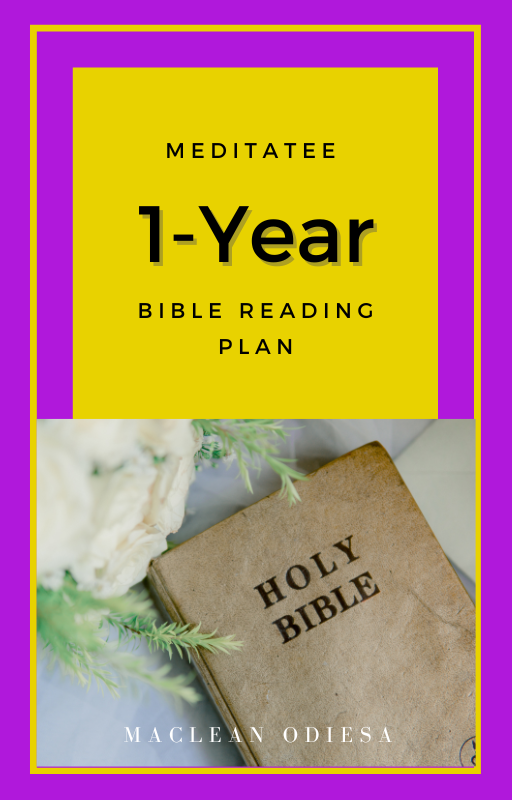
Download Meditatee’s 1-Year Bible Reading Plan for FREE to access an organized way of reading your Bible daily.
Reading plans and devotionals are ideal for both seasoned and beginner Bible readers as they offer a structured and inspiring way to engage with God’s Word daily. These invaluable tools provide a roadmap for your spiritual journey, guiding you through the Scripture.
Exploring various reading plans
Reading plans are great tools that guide and enhance your daily Bible reading journey. They provide structure and direction, making it easier to navigate through the Scriptures. There’s a variety of reading plans available, catering to different needs and preferences.
- Chronological reading plan: This plan takes you through the Bible in the order the events occurred, providing a historical perspective on the unfolding of God’s plan.
- Through the Bible in one year: A year-long plan that divides the Bible into manageable daily readings, taking you on a comprehensive journey through its entirety.
- Topical reading plan: Focuses on specific themes or topics, allowing you to explore in-depth the teachings on subjects like love, forgiveness, or prayer.
- Gospel reading plan: Concentrates on the four Gospels (Matthew, Mark, Luke, and John), diving deep into the life and teachings of Jesus.
When I started my daily Bible reading routine, I chose a chronological plan, which provided context to the events and stories I encountered. It helped me grasp the overarching narrative of God’s plan for humanity.
Benefits of structured devotionals

Devotionals are daily readings with accompanying reflections, prayers, and applications. They offer a focused and guided approach to Bible reading, often designed around a specific theme or spiritual topic. Devotionals can be especially helpful for those seeking to connect the teachings of the Bible with their daily lives.
- Encouragement and inspiration: Devotionals provide daily doses of encouragement, offering insights that relate to real-life challenges and joys.
- Consistency and accountability: By following a devotional plan, you establish a consistent routine, and the devotional’s structure keeps you accountable to daily reading.
- Deepening spiritual growth: Devotionals help you apply biblical principles practically, nurturing spiritual growth and personal transformation.
One of my favorite devotionals focused on gratitude and thankfulness. Each day, it presented a Bible verse on gratitude, accompanied by stories of people who found joy amidst adversity. This devotional journey taught me to cultivate a heart of thankfulness, even in difficult circumstances.
Incorporating thematic reading plans

Thematic reading plans center around specific topics, allowing you to explore the Bible through a particular lens. These plans can be especially beneficial when you’re seeking wisdom or guidance on a particular aspect of life.
- Reading for wisdom: Focusing on Proverbs, Ecclesiastes, and other wisdom literature to gain insights on practical living.
- Reading for comfort: Exploring Psalms and passages of comfort during challenging times.
- Reading for encouragement: Emphasizing passages that offer hope and encouragement during periods of doubt or uncertainty.
Thematic reading plans can provide a sense of purpose and direction to your daily readings, aligning them with your current needs and aspirations.
Review and adapt your daily Bible reading routine

It’s essential to recognize that your spiritual walk is dynamic and ever-evolving. Life’s circumstances, seasons, and personal growth can impact your daily Bible reading routine.
Here’s what you can do to ensure your faith journey remains a source of inspiration, guidance, and spiritual transformation.
Evaluate your progress and challenges periodically
Periodic evaluation of your daily Bible reading routine is crucial to gauge your progress, identify challenges, and make improvements. Implement these steps to stay on track with your spiritual growth and deepen your connection with God.
- Set evaluation intervals: Decide on intervals for reviewing your routine, such as monthly or quarterly. During these times, take a step back and reflect on your journey.
- Celebrate growth: Acknowledge the progress you’ve made in your understanding of Scripture and your consistency in engaging with God’s Word. Every time you accomplish something, celebrate the milestones.
- Identify challenges: Be honest about any challenges you may have faced during your daily Bible reading. Whether it’s time constraints, distractions, or personal struggles, recognizing these obstacles will help you address them effectively.
Make necessary adjustments to the routine

As you evaluate your routine, be open to making adjustments to enhance your Bible reading experience. Also:
- Be flexible: Understand that life can be unpredictable, and your routine may need to be flexible. If a particular reading plan or time of day is not working for you, don’t hesitate to adapt and try something new.
- Set realistic goals: Assess whether your current goals are realistic and achievable. If you find them too challenging or not challenging enough, modify them accordingly.
- Involve others: Discuss your routine with your Bible study group or a close friend. They might provide insights or suggestions that you hadn’t considered.
I once faced a busy season and struggled to maintain my daily Bible reading routine. After discussing it with my Bible study group, we decided to adjust our meeting time to accommodate everyone’s schedules. This simple adaptation helped us all stay committed to our Bible study.
Celebrate milestones and achievements

Celebrating milestones and achievements in your Bible reading journey fosters a sense of joy and gratitude. You can:
- Share with others: Share your achievements with your Bible study group or friends. Celebrate one another’s growth and encourage each other in the journey.
- Express gratitude: Take time to express gratitude to God for His faithfulness and guidance throughout your reading routine. Recognize that any progress made is a result of His grace.
- Reflect on transformation: Consider the ways in which daily Bible reading has positively impacted your life. Reflect on the changes in your attitudes, actions, and relationships as a result of engaging with God’s Word.
2 Corinthians 3:18 captures the transformative power of God’s Word: “And we all, who with unveiled faces contemplate the Lord’s glory, are being transformed into his image with ever-increasing glory, which comes from the Lord, who is the Spirit.”
Remember that your Bible reading routine is not about perfection but about drawing nearer to God and allowing His Word to transform you from the inside out. So, embrace the process and continue nurturing your relationship with your Creator.
Embrace Bible journaling and reflecting on verses

Bible journaling and reflecting involves actively meditating on its verses, making connections to your life, and expressing your thoughts and emotions through art and writing.
This practice invites you to go deeper into the Word of God, allowing it to come alive in your heart and mind. Here’s how to do an effective Bible journaling and reflecting session.
Keep a Bible journal
Keeping a Bible journal allows you to write precious moments with God on paper. It’s a personal space where you can record your thoughts, prayers, and experiences as you engage with His Word.
Your journal can take various forms, from a simple notebook to a beautifully decorated journal filled with colors and creative expressions. I remember starting my Bible journal during a challenging season in my life.
As I poured my heart onto the pages, I felt a sense of release and intimacy with God. It became a sacred space where I could be honest, vulnerable, and raw with my emotions, knowing that God understood and cared for every detail of my life.
Write down insights and reflections

As you read the Bible and encounter verses that speak to your heart, note down your thoughts in your journal. Write about how a particular verse resonates with your life, or record any questions or uncertainties that arise during your reading.
Expressing your thoughts on paper helps you internalize the message and opens the door to deeper understanding. Psalm 119:11 emphasizes the importance of keeping God’s Word in your heart: “I have hidden your word in my heart that I might not sin against you.”
When you write down your reflections, you are indeed hiding God’s Word in your heart, allowing it to shape your thoughts and actions.
During a challenging period, Isaiah 41:10, “Fear not, for I am with you; be not dismayed, for I am your God; I will strengthen you, I will help you, I will uphold you with my righteous right hand,” encouraged me.
Writing down that verse in my journal served as a constant reminder of God’s presence and assurance in times of fear and uncertainty.
Track progress and personal growth

Your Bible journal serves as a record of your spiritual journey and growth. Take time to look back at previous entries and observe how God has been at work in your life.
You’ll likely notice patterns of growth, moments of breakthrough, and how your understanding of Scripture has deepened over time. It’s incredible to witness the transformative power of God’s Word in your life.
As you track your progress, you’ll see that the challenges you once faced have become stepping stones to greater faith, hope, and love.
Galatians 6:9 reminds us of the importance of perseverance and growth: “Let us not become weary in doing good, for at the proper time, we will reap a harvest if we do not give up.” Consistency in journaling and reflecting on God’s Word will yield a beautiful harvest of spiritual growth and maturity.
Embrace versatility in reading
The Bible is a diverse collection of texts, encompassing various genres, styles, and themes. Embracing versatility in Bible reading allows you to discover new perspectives and experience a deeper connection with your Creator. Here are ways you can embrace versatility.
Read the Bible chronologically or thematically

Embracing versatility in your Bible reading allows you to explore the Scriptures in different ways, gaining fresh insights and a broader understanding of God’s Word.
- Chronological reading: A chronological plan takes you on a journey through the Bible in the order of events as they occurred. This approach provides historical context and helps you see how God’s plan unfolded over time.
- Thematic reading: Thematic reading plans focus on specific topics or themes, allowing you to delve deep into particular aspects of faith and life. Themes like love, forgiveness, or courage can offer lessons and practical applications.
I find both approaches valuable. Chronological reading enhances my understanding of the Bible’s historical context, while thematic reading helps me apply its teachings to my daily challenges and experiences.
Explore different genres and books

The Bible contains various genres, including historical narratives, poetry, wisdom literature, prophecies, and letters. Each genre offers unique insights and perspectives on God’s nature and our relationship with Him.
- Historical narratives: Reading books like Genesis, Exodus, and Acts brings to life the stories of God’s interaction with His people throughout history.
- Poetry and wisdom literature: Psalms, Proverbs, and Ecclesiastes offer heartfelt prayers, wise sayings, and reflections on the meaning of life.
- Prophecies: Exploring books like Isaiah, Jeremiah, and Ezekiel unveils God’s promises and plans for the future.
- Letters (Epistles): Reading the letters written by apostles like Paul, Peter, and John provides practical guidance for living out the Christian faith.
By exploring different genres and books, you’ll encounter diverse perspectives that enrich your understanding of God’s character and His intentions for humanity.
Engage with multimedia resources

Embracing versatility in reading also involves leveraging multimedia resources to engage with the Bible in diverse formats.
- Audio Bibles: Listening to the Bible being read aloud brings a different dimension to your reading experience. It allows you to absorb the Word while you commute, exercise, or engage in daily tasks.
- Video resources: There are numerous video series and teachings available that offer insights into specific books or themes of the Bible. These visual resources can complement your reading and provide additional context.
- Bible apps: Many Bible apps offer interactive features, study tools, and devotionals that enhance your daily reading routine. Some apps even provide community features where you can discuss the Scriptures with fellow believers.
I once discovered an audio Bible while on a road trip, and it transformed my travel time into a spiritual retreat. Hearing the Scriptures in a different format allowed me to perceive familiar passages in a new light.
As you diversify your reading experience, you’ll find that the Bible’s relevance and wisdom transcend time and cultural boundaries, speaking directly to your heart and life.
So, be open to trying new methods and approaches, and allow God’s Word to transform your heart and mind, guiding you on a lifelong journey of faith and spiritual growth.
Overcome dry seasons and challenges

Dry seasons can be some of the most trying times in your spiritual journey, leaving you feeling emotionally drained.
However, it is during these moments of struggle and hardship that you have the opportunity to grow and discover the strength within you. Here are ways to overcome these seasons.
Stay motivated during difficult times
As you read your Bible daily, you may encounter seasons where your enthusiasm wanes, and the Scriptures seem less captivating. During these “dry” times, staying motivated can be challenging, but it’s essential to persevere.
Set realistic expectations: Understand that every spiritual journey has ups and downs. It’s okay to experience moments of spiritual dryness. Be kind to yourself and stop being critical.
- Celebrate your progress: Reflect on the moments when God’s Word has inspired and touched your heart. Remember that even small steps in daily Bible reading lead to growth.
- Mix up your routine: Explore different reading plans, translations, or study methods to add variety to your Bible study. Trying something new might reignite your passion for God’s Word.
I encountered a dry season when life became overwhelming with responsibilities and challenges. During that time, I discovered that even reading a single verse each day kept me anchored to God’s truth and provided comfort amidst the chaos.
Seek encouragement and support

During dry seasons, seeking encouragement and support from fellow believers can be a tremendous source of strength.
- Join a supportive community: Engage with your Bible study group or a community of believers who understand how faith journeys work. Share your challenges and let others encourage you.
- Seek prayer partners: Connect with a prayer partner or close friend who can pray for you during challenging times. Knowing that someone is interceding on your behalf can bring immense comfort.
- Read devotional or inspirational materials: Read devotional books, blogs, or listen to podcasts that offer encouragement and spiritual insights. These resources can provide fresh perspectives and help you navigate dry seasons.
Hebrews 10:24-25 emphasizes the importance of supporting one another in faith: “And let us consider how we may spur one another on toward love and good deeds, not giving up meeting together, as some are in the habit of doing, but encouraging one another—and all the more as you see the Day approaching.”
Remember the ultimate goal of spiritual growth

In moments of dryness, remember that the goal of daily Bible reading extends beyond temporary emotions. The ultimate aim is spiritual growth, a deeper connection with God, and living out His principles in your life.
- Trust the process: Spiritual growth is a journey, not an immediate destination. Trust that your commitment to daily Bible reading, even during dry seasons, will yield fruit in due time.
- Focus on the bigger picture: Look back on your journey and recognize how far you’ve come. Embrace the challenges as opportunities for growth and know that God is with you every step of the way.
Philippians 1:6 reassures us of God’s faithfulness in our growth: “Being confident of this, that he who began a good work in you will carry it on to completion until the day of Christ Jesus.”
As you navigate the challenges, remember that God’s Word is a wellspring of life, offering sustenance and hope for your soul, no matter the season.
Engage with the text

Engaging with the text involves listening, reflecting, and responding to the voice of your Creator while immersing yourself in the truths, stories, and teachings found in the Bible.
In this journey of engagement, you discover that the Bible is not just a book of the past, but a living and relevant guide that speaks directly to your heart and life today. You can achieve this by:
Applying the S.O.A.P. method (Scripture, Observation, Application, Prayer)
The S.O.A.P. method is a practical and powerful Bible study method for diving deep into the Scriptures and applying them to your life.
- Scripture: Choose a passage or verse from your daily reading that speaks to you. Write it down in your journal to focus your reflection.
- Observation: Take time to observe and think about the meaning of the selected Scripture. What is the context of the verse? Are there any verses that capture your attention? Consider the historical and cultural context to gain a richer understanding.
- Application: Think about how you can apply the verse to your life. What lessons can you learn from it? How can you put its teachings into action? Consider ways to incorporate the Scripture’s message into your daily living.
- Prayer: Use the Scripture as a basis for prayer. Talk to God about what you’ve observed and how you plan to apply the verse in your life. Ask for His guidance and strength to live according to His Word.
Asking questions to deepen understanding

Asking questions is a valuable technique for unlocking deeper insights from the Bible. Don’t be afraid to inquire about the text’s meaning and implications. Here are some questions to consider:
- Who: Who wrote the passage, and who is the intended audience?
- What: What is the main message or theme of the passage?
- Why: Why was this message important for the original audience, and how does it apply to us today?
- How: How can we put the teachings of the passage into practice in our daily lives?
Psalm 119:18 illustrates the significance of seeking understanding: “Open my eyes that I may see wonderful things in your law.” When you ask questions and seek deeper understanding, God reveals hidden treasures within His Word.
Memorizing key verses and passages

Memorizing key verses and passages is like storing treasures in your heart, ready to be accessed when needed. Memorization allows the Word of God to become an integral part of your being, guiding and encouraging you throughout your day.
Choose verses that speak to your heart or resonate with your current circumstances. Write them down, repeat them aloud, and reflect on their meaning regularly. Over time, you’ll find that these verses become a source of strength and comfort.
Philippians 4:6-7 is one of my favorite memorized verses. During difficult times, the verse encourages me to pray and experience God’s peace.
It says, “Do not be anxious about anything, but in every situation, by prayer and petition, with thanksgiving, present your requests to God. And the peace of God, which transcends all understanding, will guard your hearts and your minds in Christ Jesus.”
Join a Bible study group or community

Whether you’re a seasoned Bible reader or just beginning your spiritual journey, joining a Bible study group or community can open doors to new perspectives, ignite meaningful discussions, and create lasting bonds as you journey together in pursuit of spiritual growth.
Benefits of studying the Bible with others
Studying the Bible with a group or community is a transformative experience that offers the following benefits:
- Shared insights: When you study the Scriptures with others, you gain fresh perspectives and insights from diverse backgrounds and life experiences. This enriches your understanding of God’s Word and deepens your faith.
- Accountability and consistency: Being part of a Bible study group keeps you accountable to your reading and study commitments. It provides a supportive environment that encourages consistency in your daily Bible engagement.
- Encouragement and prayer: In a Bible study community, you’ll find encouragement during challenging times and prayer support when facing trials. The community becomes like a spiritual family, caring for one another in love.
- Fellowship and friendship: Studying the Bible with others establishes fellowship and friendship. You share a common journey of growth and discovery, and together, you celebrate joys and find solace during hardships.
Finding local or online Bible study groups

Finding a Bible study group can be as simple as reaching out to your local church or community center. Many churches offer regular Bible study sessions for different age groups and interests.
Additionally, online platforms and social media provide opportunities to connect with virtual Bible study groups from around the world. When I moved to a new city, I sought out a local Bible study group through my church.
The warm welcome I received from the group members made me feel instantly at home. I also discovered online Bible study groups that allowed me to connect with fellow believers from diverse cultures and backgrounds.
Participating in discussions and sharing insights

Active participation in Bible study discussions is key to benefiting from the experience. Share your thoughts, questions, and insights with the group. Don’t be afraid to ask questions or express your doubts, as this encourages deeper exploration of the Scriptures.
Proverbs 27:17 reminds us of the power of community in sharpening our faith: “As iron sharpens iron, so one person sharpens another.” Engaging in discussions and sharing insights with others can lead to new discoveries and a deeper understanding of God’s Word.
Additionally, take the opportunity to listen to other’s perspectives and experiences. Hearing how the Word of God impacts their lives can inspire and encourage your own faith journey.
FAQs
How do I start a Bible reading routine?
Begin with a specific time and place, choose a Bible translation that is easy to understand, and start with shorter passages.
What is the best way to study the Bible daily?
Set aside a consistent time, use a study guide or journal, and reflect on the verses’ meaning.
How do I create a daily devotional plan?
Select a theme or book, pick relevant verses, and incorporate prayer and reflection.
What happens if I read my Bible every day?
Consistent reading fosters spiritual growth, deeper understanding, and connection with God.
How to read the Bible and where to begin?
Begin with the New Testament or Psalms, read contextually, and explore study guides for guidance.
How do I make studying the Bible a habit?
Start small, track progress, use reminders, and seek accountability from a friend or group.
How do you build a consistent Bible study life?
Prioritize it as part of your routine, adapt as needed, find joy in learning, and stay open to insights.
Start your daily Bible reading routine today
If you’re just starting your daily Bible reading routine, implement the strategies I’ve discussed to stay motivated and approach your reading with an open heart and a desire to grow in your faith. Let God’s Word be a source of comfort in times of need, a guide in moments of decision, and a constant companion in your walk of faith.

I’m a devoted follower of Christ on a journey to share the profound love, faith, and hope found in our Savior. Through my writings, I aim to inspire, uplift, and encourage fellow believers as we walk together in God’s light. Join me in exploring the beauty of faith and discovering the richness of a life rooted in Christ.